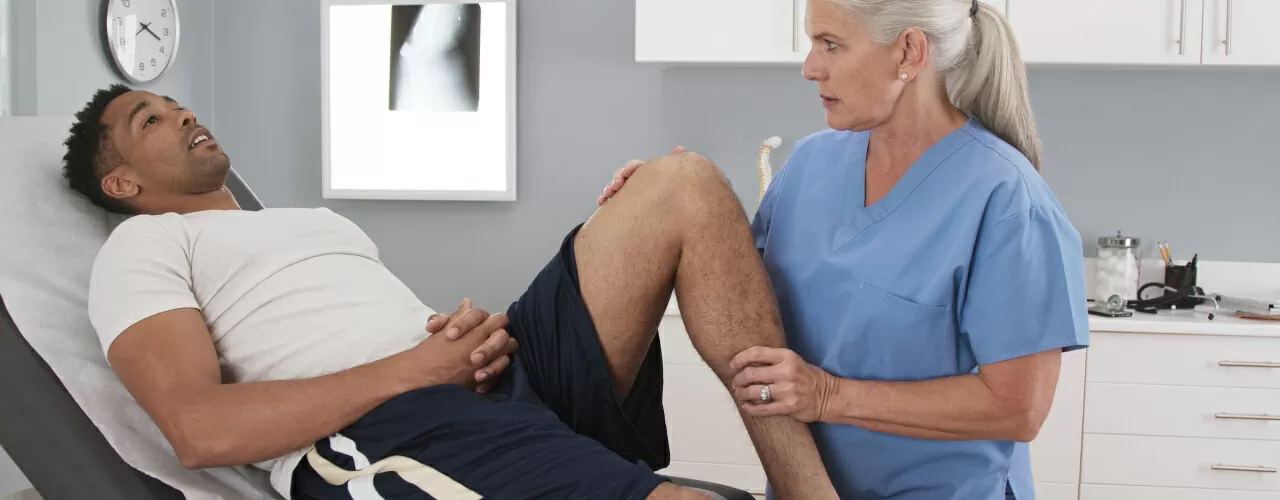

6-Ways-Physical-Therapy-Can-Help.jpg

6 Ways Physical Therapy Can Help Improve Your Health & Wellbeing

Have you noticed a decline in your overall physical health lately? This is to be expected as you age. Did you know though, that a person’s physical health has a direct impact on their mood? People with very active lifestyles tend to be happier and live much longer, according to the Mayo Clinic. They may also experience more muscle gain and weight loss as well. On paper it might seem pretty simple to become more active, however, increasing your level of physical activity can be quite difficult if you’re doing it alone.

If you want to learn how to lead a more active and healthy lifestyle, visiting a physical therapist is a great first step! We’ve listed six ways that physical therapy can help improve your overall health and wellbeing; contact our office today to learn more!

Physical therapy reduces the need for surgery and opioids.

The biggest benefit to your health from seeing a physical therapist is derived from its safe, noninvasive nature. Since physical therapy does not involve medications or surgery, you are less likely to develop subsequent infections, complications or side effects.

According to ChoosePT, “Whereas opioids only mask the sensation of pain, physical therapists treat pain through movement, hands-on care, and patient education, resulting in positive side effects like improved mobility, independence, and wellness.” Ultimately, therapy presents a safer alternative to opioid and surgical treatment options, both of which can set you up for long term pain conditions.

Physical therapy can treat chronic and acute pain.

Physical therapy also improves management of chronic and stress-induced pain. Your physical therapist can not only diagnose your condition and treat your symptoms, but they can also find the true underlying source of your pain. From there, he or she will teach you ways to manage it to make sure it doesn’t continue to be an issue in the future.

ChoosePT states that moving more coincides with a decrease of up to 28% in a person’s perception of pain. More importantly, people that receive an education about their pain and its impacts, as well as how physical therapy treats and relieves pain, were more likely to experience less pain with treatment.

Physical therapy lowers your risk of cardiovascular issues or other injuries.

Did you know that the strengthening of joints and muscles in therapy may also reduce risk for injury in routine activities? Being inactive for long periods can make our muscles weak. If your muscles are strong, they can recover faster, thus reducing the likelihood of injury from repetitive stress. Maintaining an active lifestyle also provides protection against major health problems, such as stroke and heart attack.

Physical therapy can give you more energy.

It doesn’t take an expert to explain to you that the more you sit around doing nothing, the less you’ll feel like getting up and moving around. Seeing a physical therapist and getting into a habit of incorporating exercise into your daily routine can result in improved energy levels. Physical therapy focuses on improving range of motion and activity, and according to Harvard Health Publishing, improved activity levels are associated with an increase in energy. Those with pain may also experience a higher level of mobility and energy with less pain as well!

Physical therapy decreases the risk of mental health issues.

Having more energy and being in a good mood go hand in hand! An improved attitude, mood and overall mental state are additional benefits of therapy. Continued participation in physical therapy and routine exercise boosts mental awareness and mood. This means you’ll have a much lower risk for developing anxiety and depression. In addition, those with a better mood were less likely to experience pain and inflammation in their joints!

Physical therapy can assist with the treatment of damaged tissues.

The American Physical Therapy Association (APTA), found in a 2018 study that the application of physical therapy holds promise in treating tissue damage. While the study was specific to meniscal tears, it alludes to additional benefits for other tissue injuries. As a result, those with injuries or a history of injury may find improved stamina with continued exercise and therapy.

Contact Our Office Today

Physical therapy offers multiple health benefits that you just won’t find from taking medication. The risk of harmful side effects as a result of participating in a physical therapy program is considerably lower than the risks associated with medication treatment or surgeries.

Contact Premier Therapy Centers today to make an appointment with a licensed physical therapist. This is the first step to reaping maximum benefits when it comes to your health! So what are you waiting for? Call us today!

Sources:
6-Ways-Physical-Therapy-Can-Provide-Pain-1024x400.jpg

6 Ways Physical Therapy Can Provide Pain Relief Without Medication

Have you found yourself unable to enjoy your daily routine because of pain? Do you think you’re still suffering from the effects of a previous injury or degenerative condition that calls for constant pain management? If so, you might find that your “go-to” pain relief technique comes in the form of medication. However, prescription drugs pose threats of their own to your health!

Physical therapy is a safe and effective way to receive pain relief. Contact our office to learn more about this type of treatment, and find out how physical therapy can benefit you the most!

Why Don’t I Need Drugs With Physical Therapy?

There is an opioid epidemic going on in our country. While it’s true that drugs give quick relief from many forms of pain, that relief is only temporary. Drugs can harm you just as much as they can help you, and the most obvious example of this is addiction to opioids. Opioid dependence has become a real life nightmare right before our eyes, and many people have unfortunately lost their lives due to overdose.

Even over-the-counter medications can be dangerous: aspirin can cause internal bleeding if taken too often for too long, and other popular drugs like acetaminophen and ibuprofen can cause severe damage to the organs.

You might be wondering “If I shouldn’t take those, what am I supposed to do to stop the pain?” That’s where physical therapy comes in! Physical therapy can provide the pain relief you’re looking for without forcing you to risk drug dependence or side effects. One of the best things about physical therapy is that it can address your pain symptoms as well as the underlying cause of your pain. Physical therapists can do thorough evaluations to figure out exactly what is ailing you. Then they can provide a mix of therapeutic techniques to help ease your pain, such as:

  • Exercises and stretches to loosen tight muscles, strengthen weakened areas, and increase your range of motion
  • Stress management recommendations to help you avoid unnecessary physical tension
  • Manual therapies such as massage to release internal scar tissue or painful muscle knots
  • Postural corrections and exercises to reduce nerve impingement problems and symptoms

When Does Pain Become Chronic Pain?

Everyone experiences pain. It’s a normal part of being alive! Pain is your body’s natural warning system, and it’s a very important and useful asset under the right circumstances. When you experience pain, your nerve signals are alerting you to a problem that requires attention, from an infected area or traumatic injury to joint or overuse of a particular muscle group. This is especially true of acute pain. Sensations of pain and stiffness discourage you from using an injured body part while it’s healing, and once the condition resolves on its own or receives treatment, the pain goes away.

However, in many cases, pain can linger for months (or even years) after your body has done all it can to heal or address the underlying problem. This is chronic pain, and it affects roughly 116 million people in the U.S. alone. Chronic pain might plague you constantly, or it may come and go in bouts that last for weeks at a time.

Common Causes of Chronic Pain

Chronic pain can develop for a variety of reasons. The most common causes and types of chronic pain include some of the following.

  • Joint disorders – One example of a joint disorder is osteoarthritis, a degenerative condition that can cause chronic pain.
  • Neuropathy – Nerve damage, disease, or impingement can cause pain as well as numbness, tingling, and other unpleasant symptoms.
  • Chronic strain – Overuse of a joint can damage your tissues faster than they can repair themselves, causing chronic strain and inflammation.
  • Stress – Chronic emotional stress can lead to unremitting physical tension and pain.
  • Post-injury/surgery pain – Internal scar tissue may form after an injury or operation. This formation can interfere painfully with normal muscle and connective tissue motion.
  • Muscle knots and spasms – Chronic tension due to a physical imbalance or systemic disorder can leave you with painful muscle knots known as trigger points.

If you are experiencing any of the above conditions, it’s important to contact a physical therapist’s office as soon as possible for an assessment. The sooner you see a therapist, the quicker you’ll be back up and running!

Call Our Office Today To Schedule An Appointment

If you’re ready for a pain management solution that doesn’t come from a pill bottle, it’s time to call in the professionals. Contact Premier Therapy Centers today to learn more about our non-invasive, safe, and effective pain management options. We’ll have you feeling like your old self in no time at all!

Sources:

Recognizing-and-Treating-Herniated-Disc.jpg

Recognizing and Treating Herniated Disc Pain With Physical Therapy

Have you noticed excruciating back pain that wasn’t around a few months ago? The cause may be a herniated disc.

You might be wondering, how can you tell for sure whether you have this specific problem? And if you do have a herniated disc, what can you do about it? These questions don’t have to add confusion and frustration to your physical woes.

At our physical therapy clinic, we see disc herniations frequently among our patients with back, arm, and/or leg pain. If you’re experiencing discomfort in any of these areas, let one of our skilled therapists take a look and determine the true source of your pain.

What is a herniated disc?

Spinal discs are small soft structures found between vertebral bones. Their main jobs are to absorb shock and maximize mobility within the spine. On the outside, these discs are tough and fibrous, but on the inside, they are soft and have a gel-like consistency.

herniated disc occurs when the tough outer layer of the disc (called the annulus fibrosis) ruptures. This allows the inner gel substance (called the nucleus pulposus) to leak out. The ruptured disc tissue can trigger an inflammatory response and compress nearby structures, including joint receptors and spinal nerve roots.

Common signs you may have a herniated disc

The pain with a herniated disc can be sharp. Pain, numbness, and tingling can radiate to other parts of the body, too.

While most herniated discs occur in the lower back, they also can occur in the cervical area. Symptoms are dependent on where the disc is located and whether or not it’s compressing a nerve. Keep in mind that you can have a herniated disc with no symptoms, which is another reason it’s a good idea to get a physical therapist involved.

Typically, one side of a person’s body is affected. You might experience arm and leg pain, tingling, numbness, or weakness. If the herniated disc is located in the back, you’ll likely experience pain in the buttocks, thigh and calf. If it’s located in the neck, you’ll likely experience pain in the arm and shoulder.

How is a herniated disc diagnosed?

Your doctor can diagnose a herniated disc with a physical exam. Your doctor can perform a neurological exam to check muscle strength, reflexes, walking ability, and the ability to feel touch. Imaging tests may be ordered to diagnose the cause of your pain.

A CT scan shows cross-sectional images of the spinal column and can pinpoint a herniated disc. An MRI creates images of the body’s internal structures and can also confirm the location of a herniated disc.

Risk factors for herniated discs

When you see a physical therapist for back pain or herniated disc pain, they will assess you for risk factors known to be linked to herniated discs. Many of these are unpreventable (gender and age) but others are lifestyle habits, including:

  • Smoking
  • Obesity
  • Male gender
  • Acute trauma
  • Age between 30 and 50
  • Frequent bending, heavy lifting, or twisting
  • Physically demanding occupation

A herniated disc is also often the result of aging and known as disc degeneration. With age, the disc becomes less flexible. Lifting heavy objects improperly can cause a herniated disc. Genetics can also factor in.

How does a physical therapist treat a herniated disc?

Herniated discs do not disappear magically on their own. Physical therapists are trained movement specialists who can help you to recover if you have one, however.

Physical therapy plays a critical role in recovery from a herniated disc.

There are a variety of physical therapy techniques they can use to help relieve your pain. A physical therapist will work with you to develop a treatment program if you have a herniated disc. The focus is on flexibility, core stability, and muscle strength.

Core strengthening exercises will strengthen the back muscles for better support. Flexibility and stretching exercises will enhance movement. Exercises for muscle strengthening will create a strong structural support of the back.

Treatment may also include passive and active treatments. Passive treatments by a physical therapist include hot and cold therapy, transcutaneous electrical nerve stimulation (TENS), and deep tissue massage. Heat therapy increases blood flow to the target area and enhances healing.

Cold therapy reduces inflammation and muscle spasm due to a herniated disc. TENS uses tiny electric currents to trigger endorphins and reduces pain. Deep tissue massage stimulates an increase in oxygen and nutrients for pain relief and healing.

All around, physical therapy can help you recover from a herniated disc and help prevent future injury to the spine. If you’re experiencing any symptoms of a herniated disc, it’s wise to see a doctor for an accurate diagnosis.

Ready to find true relief from herniated disc pain?

If you’ve been searching high and low for relief from herniated disc pain, your search can end here. Contact Premier Therapy Centers today to learn more about how physical therapy can help you to find pain relief and get back to living a comfortable life.

Sources:

3-Natural-Pain-Remedies-To-Help.jpg

3 Natural Pain Remedies To Help You Kick Opioids

Does the prospect of taking painkilling drugs for the rest of your life fill you with concern? If it doesn’t, then it should — especially if the drugs in question are opioids.

Our nation is in the midst of an opioid epidemic. Many chronic pain sufferers who can’t get the relief they need from NSAIDs or steroids feel that they have no choice but to turn to the more powerful opioid drugs.

Unfortunately, opioids can present some major problems, from mind-addling intoxication to addiction and the possibility of a fatal overdose. That’s why you should consider the natural pain-relieving power of physical therapy as a safer, more beneficial alternative.

We put together a list of ways a physical therapist can help to keep your pain at bay. Call There’s good news for you though: physical therapy can provide the kind of pain relief you’re seeking. Contact Premier Therapy Centers to set up an appointment and get back to living a more comfortable, pain-free life!

Choosing physical therapy over opioids

When you have chronic pain, severe injury, surgery, or significant trauma, your brain cannot produce enough opioids to keep up with the demand. Prescription medication mimics the chemicals your body naturally produces, relieving pain, but they do not help your body heal.

Physical therapy offers natural, safe, and effective pain relief with 0 risks to you, and this is how.

1. Physical therapy reduces stress on your nerves and muscles.

When your body cannot maintain its natural balance, support, and symmetry, chronic pain conditions occur. This is due to the fact that your spinal column requires adequate support from major muscle groups to maintain a healthy posture and musculoskeletal alignment.

If your muscles become weakened, tight, or damaged, they won’t be up to the job, so they tire easily and develop chronic strain. The resulting postural imbalances can then lead to other painful issues, from herniated discs to pinched nerves.

The good news? Physical therapy can quite literally straighten these problems out! Our physical therapist may prescribe exercises to strengthen your back and neck muscles, lending your spine that much-needed support and easing the strain on those tissues. Improvements in your posture can help take the pressure off of nerves, relieving neurological pain. They might even recommend treatments such as chiropractic adjustment to correct spinal imbalances, thus removing painful stress on your body.

2. Physical therapy makes it easier for you to move your joints.

Strengthening exercises can help take the burden off of your joint’s bones and cartilage by allowing the surrounding muscles and connective tissues to do more of the work. Heat therapy, laser therapy, and massage therapy are also known to help inflamed joints feel and move better.

If you have crippling osteoarthritis in your knees or hips, you might be shocked to hear a physical therapstrecommend that you take up walking. But walking can indeed help reduce chronic joint pain and help arthritic joints move more freely.

If you’re not ready for walking, you may benefit from swimming or other aquatic exercises in which the water supports your body.

3. Physical therapy can decrease inflammation.

A moderate exercise routine can prompt the sympathetic nervous system to reign in those inflammatory processes that cause pain and swelling.

Inflammation occurs as part of your immune system’s natural response to disease or injury. To an extent, it’s a healthy response to pain, but your body can experience too much inflammation which can cause pain. Many kinds of chronic pain are inflammatory in nature or origin.

Certain white blood cells and proteins trigger inflammatory processes even as they’re fighting to help protect tissues. However, your body also has a process for suppressing the production of these substances. It’s called sympatho adrenergic activation — and physical therapy exercises can trigger it.

Physical therapy can also help your body to rid itself of accumulated inflammatory substances by boosting your circulation. Massage, heat, cold, and laser therapy all increase blood flow to inflamed tissues. This allows the tissues to expel toxins that cause or worsen your inflammation.

You can say “no” to opioids with the help of physical therapy. Chronic pain can make you curl up in bed and turn to opioids for pain management. It’s important to note that physical therapy can be implemented to treat all types of neuropathic pain and musculoskeletal pain. It can help alleviate pain due to several pain conditions, including:

  • Osteoarthritis
  • Fibromyalgia
  • Rheumatoid arthritis
  • Neuropathic pain
  • Work injuries
  • Sports-related injuries
  • Headaches and more

Let’s conquer your pain problem once and for all

Opioids and other painkilling drugs have their place in medicine, but you don’t have to rely on them as your only weapons against chronic pain. Contact Premier Therapy Centers about how a physical therapy program could hold the natural solutions you need!

Kick-Hip-and-Knee-Pain-With.jpg

Kick Hip and Knee Pain With The Help of A Physical Therapist

Hip and knee pain are two of the most commonly experienced pains identified in an adult joint pain reporting survey done by the Centers for Disease Control. This means that if you’re dealing with hip and knee pain, you’re not in the boat alone.

We’re sure you’re well aware that knee and hip pain makes it much harder to live the life you want. It doesn’t matter whether your knee hurts, your hip hurts, or you are dealing with pain in both joints — living with this discomfort can hinder your daily routine.

There’s good news for you though: physical therapy can provide the kind of pain relief you’re seeking. Contact Premier Therapy Centers today to learn more about how physical therapy can give you a pain-free life.

What causes hip and knee pain in the first place?

Hip and knee pain can be caused by several factors, some of which you may not even think would be behind your pain!

Your hip or knee pain may stem from:

  • Bursitis, an inflammation of the friction-reducing sacs surround the joints
  • Tendinitis, or stretched ligaments
  • Osteoarthritis, a painful inflammatory condition involving deteriorated joint cartilage
  • Runner’s knee, an instability of the kneecap
  • Postural/alignment issues that throw your body off balance, straining the knees or hips
  • Traumatic injuries, such as dislocation of the joint
  • Infections

Some of these are related to musculoskeletal misalignment, poor posture, and/or excess weight; others occur as the result of natural aging or unhealthy sports/work habits.

Did you know a physical therapist can often tell the cause of your hip or knee pain from its location alone? For example, pain along the inside of the hip is more likely to be caused by a problem with the bones or cartilage. Pain along the outer side is typically caused by a problem in the muscles, tendons, or ligaments.

If you’re experiencing hip and knee pain, call our clinic today to set up an appointment with a physical therapist.

How can a physical therapist help me?

Physical therapists are extremely knowledgeable movement specialists who know a great deal about the causes of hip pain and knee pain. They also know a wide variety of treatment methods to provide relief from these types of pain. Physical therapists focus on pinpointing the source of your pain and treating it, not just relieving your symptoms!

Physical therapists are specially trained to help people with pain conditions like yours regain functionality and mobility. They use various treatment methods and modalities to help lessen the pain experienced from various injuries and illnesses.

There are a number of things your physical therapist will do to help relieve your hip or knee pain and keep it from recurring in the future.

They can assess your range of motion and strength levels.

You may feel relatively strong in your legs and hips, but there are a lot of small muscles that could be weaker than you’re aware. A physical therapist will take you through some different exercises to find any weaknesses that could be contributing to your pain. You will also go through range of motion exercises to see how far you can comfortably move your joints.

They can determine any abnormalities.

Physical therapists can feel if something is out of place by using palpation to feel around your joints to identify potential problems. The pressure they apply will also show them if you feel sensitive to the touch anywhere around the joint.

They know how to properly examine your gait.

Your gait, or the way you walk, can tell a physical therapist a lot about your condition and what is causing you pain. Your therapist will examine your gait by asking you to walk a short distance and notice the different indicators of gait issues. You may not be aware of the various signs you show as you walk, but your physical therapist will definitely notice them!

Ways physical therapy provides pain relief

After the underlying cause of your pain has been identified, it is time for treatment to begin. There are several different things a physical therapist might do to treat your pain, including:

Targeted exercises and stretches

The exercises that your physical therapist prescribes for your hip and knee pain will be customized to your circumstances. These stretches and exercises are be designed to make you stronger and improve your range of motion. Eventually, they will help you better support your hip and/or knee so that you experience less pain.

One person’s knee pain can have a different cause than another person’s knee pain, so it is important to apply the right exercises for each individual’s needs.

You will first go through your physical therapy exercises under the guidance of the physical therapist. They want to make sure that you are able to do the exercises safely – and you may need assistance to get through them at first. Eventually, you may be assigned exercises to do at home on your own.

Heat and cold therapy

Ice and heat work in different ways to help reduce painful conditions that many athletes sustain. Both ice and heat therapy can work to provide relief for pain when used correctly. Heat increases blood flow and enhances the speed at which nutrients are sent to various parts of the body. Ice, however, reduces blood flow and brings down inflammation and swelling.

A trained physical therapist will know which type, ice or heat, will work best for the type of pain you’re experiencing. They can also teach you when to use one of these methods for pain relief at home.

Movement education

A physical therapist is a great resource for helping you problem-solve your mobility limitations and learn how to move more safely and efficiently. They may recommend things like scheduled rest and activity breaks, adaptive equipment like canes or custom orthotics, and environmental modifications such as bars you can grab onto to reduce strain and stress on your joints.

They can also teach you specific ways to move your body during various activities (e.g., getting in and out of bed, going up and downstairs, walking, playing a sport, etc.) in order to improve your body mechanics and minimize pain.

Are you ready to start living a pain-free lifestyle?

There’s no reason you need to continue suffering from hip or knee pain. Your life can be as enjoyable as it once was with the help of a licensed physical therapist. Don’t waste time, contact Premier Therapy Centers to schedule an appointment with one of our skilled team members!

Got A Scheduled Surgery? Plan On Physical Therapy Before & After!

Do you have a scheduled surgery on the books? If so, it’s a wise idea to work with a physical therapist both before and after surgery to optimize your outcome and recovery!

Working with a physical therapist prior to your operation — sometimes referred to as “prehab” — can help you to prepare emotionally and physically for the surgery.

After your operation is finished, physical therapy can help to ensure a speedy and full recovery. If you have an upcoming surgery planned, contact us to learn more about how physical therapy can help you with both preparation and recovery.

Chronic pain can keep you from doing almost everything you enjoy. It can hinder your ability to play sports, to have fun outside with your friends, to get a good night’s sleep, and even from doing your job. So, what are you supposed to do about it? What can possibly be done to improve your quality of life, besides taking prescription medication? Our highly trained physical therapist at  Premier Therapy Center will create a therapy treatment plan that is best for you.

The benefits of physical therapy after surgery

A physical therapist has many tools and techniques at their disposal, and they are trained specifically in the best methods to help you recover from an injury or surgery. Your work with a physical therapist can begin soon after your surgery — perhaps on the same day! Of course, this depends on the type of operation that you have undergone.

A physical therapy exercise plan will be tailored toward gradually rebuilding your strength, without the risk of tearing any sutures or reinjuring yourself.

Your therapist can teach you the proper ways for getting in and out of bed, using mobility assistance devices, getting dressed, and using the restroom. From there, physical therapy will involve helping you with recovery and getting back to a normal life.

You may also participate in water-based training sessions in a pool, to reduce strain on muscles recovering from surgery. Your therapist might also teach you some assisted exercises in which your caretaker/helper at home can aid you in moving your limbs to contract muscles — without straining or reinjuring anything.

You’ll be taking it easy for a while after surgery, and therapy will make sure you don’t injure yourself during recovery. Sit tight, because you probably won’t be heading into a gym for heavy weightlifting sessions after surgery, followed by a 10-mile run on a treadmill!

How can physical therapy help me before surgery?

You might be thinking “Physical therapy before surgery? How in the world could that benefit me!” We’ll tell you!

Surgery is a frightening necessity for many people. They need to have the operation to improve their health in some fashion, but the idea of being placed under anesthetic and operated on is still something that can make a person very uncomfortable. Working with a physical therapist beforehand can help alleviate these fears. In addition, you will have a good plan in place for your recovery after the surgery.

Working with a physical therapist before surgery can help you get ready for modifications you will have to make during your recovery period. For example, your therapist can get you ready for moving around your home, your eventual return to work, and riding in a car.

They’ll also provide you with a post-operative exercise plan that won’t harm your recovery. Your therapist can also recommend assistive devices that you may need after surgery, such as a cane or walker.

Part of the prehab work with a physical therapist may involve recommendations for setting up a “recovery zone” in your home. For example, if your bedroom is on the second floor of your home, you might want to set up a bedroom or resting area on the first floor, to avoid having to use the stairs frequently after surgery.

Kitchen items that you might need to reach should be placed on lower shelves ahead of time, within easy reach. Physical therapy will be important for your recovery, but so will therapeutic rest. Have an area of your home prepared where you can comfortably sit, rest, and relax.

Contact our clinic today for help

Going into surgery as strongly as possible reduces the risk of surgical complications. Plus, a pre-operative physical therapy session or two can also give you a chance to practice the post-operative exercises you’ll be expected to do during your rehabilitation, learn how to move with any new weight-bearing precautions or mobility restrictions you’ll have after surgery, and overall make you a better educated and more well-informed patient!

To learn more about how physical therapy at our clinic can help you prepare for surgery and aid in a healthy, safe recovery afterward, contact Premier Therapy Center to schedule an appointment.

2. Physical therapists can empower you to be your best self

Physical therapist’s are in it with you for the long haul! When you work with a physical therapist, he or she becomes a partner in your healing and health. By teaching you exercises, mindfulness techniques, lifestyle modifications, breathing techniques, and safer ways to function in your daily life, your therapist can empower you to prevent recurring issues and optimize your overall health.

When you’re able to go about your day with less pain, greater strength, and improved function, you gain more independence and confidence as well!

3. Physical therapy provides safe, holistic pain relief.

Physical therapy has been proven by research studies to be effective for alleviating chronic joint pain and may even help you cut down on your medication (with your doctor’s supervision, of course).

Did you know that the CDC and other professional organizations officially recognize physical therapy as a safe alternative to pain-relieving medications like opioids? It’s true. Physical therapy offers long-term pain relief, unlike prescription medications, and there is no threat of fatal overdose with an exercise plan, either.

Your physical therapist will employ non-invasive modalities like electrical stimulation, diathermy, or ultrasound used by physical therapists can alleviate spasms and naturally block pain signals. This kind of short-term pain relief is valuable because it helps you participate in rehabilitation exercises and get better sleep, which we know is important for overall health and stress relief.

Call our clinic today for more information

Are you being plagued with chronic pain and growing tired of searching for relief? If you’re nodding your head, it’s time to see what physical therapy can do for your condition.

Contact Premier Therapy Centers today to schedule an appointment and get on the road to a life free from pain.

3-Ways-Physical-Therapy-Can-Relieve-Your-Pain.jpg

3 Ways Physical Therapy Can Relieve Your Pain (And Save Your Life!)

Chronic pain can keep you from doing almost everything you enjoy. It can hinder your ability to play sports, to have fun outside with your friends, to get a good night’s sleep, and even from doing your job. So, what are you supposed to do about it? What can possibly be done to improve your quality of life, besides taking prescription medication? Our highly trained physical therapist at  Premier Therapy Center will create a therapy treatment plan that is best for you.

We’ve got your answer: physical therapy!

At our physical therapy clinic, we work with people every day who are dealing with the physical and mental effects of chronic pain caused by conditions like arthritis and fibromyalgia. So, if your joints are achy and stiff, or if you’re dealing with a chronic pain problem, we invite you to pick up the phone NOW and give our clinic a call. We’ll set you up with a skilled physical therapist who can take a look at your condition and get you feeling better in no time at all.

Why should I consider physical therapy for my chronic pain?

Do you have chronic pain? If so, you’re in the company of at least 20% of the United States population, according to the Centers for Disease Control and Prevention (CDC).

You don’t deserve to spend every day in pain, and with physical therapy you may not have to! Here are three reasons to work with a physical therapist for your chronic pain and achy joints:

1. Physical therapy offers pain solutions, not just symptom management.

There are plenty of short-term “solutions” out there that we’ve all turned to from time to time when it comes to back pain or strains in our ankles and wrists. Let’s face it, many of us don’t want to make the trip to the doctor to see what’s wrong. We’d rather hope for the best and take care of it at home on our own, however, this isn’t always the best route of action when there’s an underlying problem. It’s important to treat the cause, not just the pain symptoms.

Beyond alleviating your joint pain and stiffness, a physical therapist also uses a variety of individually tailored techniques and services that can address the root causes of your joint issues. In the long-term, this can help you avoid or minimize daily pain, slow disease progression, and even prevent your joint problem from getting worse.

Examples include:

  • Neuromuscular education techniques to improve your balance and reduce the risk of falls, which may otherwise exacerbate your pain
  • Prescription and fitting of custom orthoses, braces, and other devices to support, compensate for, and/or alleviate pressure on your affected joints
  • Therapeutic exercises and stretches to correct strength or mobility imbalances, promote tissue healing, and improve overall joint function and stability
  • Manual techniques like joint mobilizations and massage to improve joint alignment, reduce swelling and stiffness, and break up painful adhesions

2. Physical therapists can empower you to be your best self

Physical therapist’s are in it with you for the long haul! When you work with a physical therapist, he or she becomes a partner in your healing and health. By teaching you exercises, mindfulness techniques, lifestyle modifications, breathing techniques, and safer ways to function in your daily life, your therapist can empower you to prevent recurring issues and optimize your overall health.

When you’re able to go about your day with less pain, greater strength, and improved function, you gain more independence and confidence as well!

3. Physical therapy provides safe, holistic pain relief.

Physical therapy has been proven by research studies to be effective for alleviating chronic joint pain and may even help you cut down on your medication (with your doctor’s supervision, of course).

Did you know that the CDC and other professional organizations officially recognize physical therapy as a safe alternative to pain-relieving medications like opioids? It’s true. Physical therapy offers long-term pain relief, unlike prescription medications, and there is no threat of fatal overdose with an exercise plan, either.

Your physical therapist will employ non-invasive modalities like electrical stimulation, diathermy, or ultrasound used by physical therapists can alleviate spasms and naturally block pain signals. This kind of short-term pain relief is valuable because it helps you participate in rehabilitation exercises and get better sleep, which we know is important for overall health and stress relief.

Call our clinic today for more information

Are you being plagued with chronic pain and growing tired of searching for relief? If you’re nodding your head, it’s time to see what physical therapy can do for your condition.

Contact Premier Therapy Centers today to schedule an appointment and get on the road to a life free from pain.

Skipping-Stretching-Post-Workout-Could.jpg

Skipping Stretching Post-Workout Could Be Damaging To Your Health!

We can’t beat around the bush about this any longer: Americans simply are not getting in enough physical activity each day! We’re leading very sedentary lives, with our jobs and working from home for most of last year. It’s simply not healthy.

Healthy adults should be making a point of getting at least 150 minutes of moderate physical activity every week. If you already know that you need to be more active, you may be preparing a regular exercise regimen of your own, which is awesome! That’s a great start, but don’t forget to finish correctly.

Stretching after your workout is just as important as stretching before. A few minutes of gentle “cool-down” exercises such as stretches can make the difference in how well your body responds to your new routine. Here are three reasons not to skip this critical part of your workout. Our trained physical therapists are dedicated to helping you achieve a pain-free life.

3 reasons NOT to skip post-workout stretches

Reason 1: Stretching after working out prevents the buildup of toxins.

You know that gnawing ache that develops in your muscles as you exercise? That reaction is caused by the presence of lactic acid!

Lactic acid is a natural byproduct of muscular exertion, along with the accumulation of another metabolic waste product called hydroxyproline.

Don’t worry, it’s not going to burn you! However, you don’t want it hanging around in your muscles for long, but that’s exactly what they’ll do until you show them the door with some post-exercise stretches.

The longer these substances pool in your tissues, the more soreness you’ll experience in the 24 to 48 hours following your workout. You might gain a few minutes on your hectic schedule, but you’ll pay the price in terms of pain — and you might even have to delay or reduce your next workout as a result.

Reason 2: Stretching allows you to gently and slowly lower your heart rate.

One of the great benefits of moderate exercise is its ability to elevate your heart rate for sustained periods. This controlled stress helps to strengthen the heart muscle, boost your circulation, and deliver extra oxygen to your muscles.

Healthline states: ‘Cooldown exercises and stretches lower your chance of injury, promote blood flow, and reduce stress to your heart and other muscles.” Post-exercise stretches are called “cool-downs” for a reason. They gradually, gently bring your vital signs back down to their normal ranges, preventing too-rapid blood pooling and the lightheadedness that might cause a serious fall or other accident.

Your physical therapist will always guide you through cool-down stretches after vigorous exercise to ensure that you get maximum benefits from your workout without these unwanted post-workout side effects.

Once that workout is over, however, it’s time to return to homeostasis (your body’s natural resting state). You don’t want to walk away from your physical therapy sessions or home exercise routine with a pounding heart, abnormal blood pressure, and a dizzy head!

Reason 3: Stretching Helps to Prevent Post-Workout Injuries

As you exercise, your muscles get into the habit of pulling tightly against tendon attachments. After you stop exercising, those tissues are still tense and tight, lending themselves to strains, sprains, and the development of chronic inflammatory pain. Stretches coax the tissues to relax and resume their former length, restoring their suppleness and making them less prone to post-workout damage.

If you’re putting in the time and effort to stick to an exercise routine, either on your own or as part of a physical therapy program, you definitely don’t want to strain a muscle right after the exercise session is over. Make sure you’re doing your stretches after your exercise routine ends; your body will thank you down the road.

A physical therapist can guide you through a post workout stretching routine

If you’ve been neglecting post-workout stretching, you’re not alone. Don’t be embarrassed or ashamed! This is a common mistake people make when they are not used to exercising. If you’re getting more exercise to combat a physical issue such as chronic pain, you might even do yourself more harm than good without the proper guidance.

Our physical therapist can help you develop a healthy post-workout stretching routine. Contact Premier Therapy Centers today to learn more about the benefits of physical therapy, and let us show you how to make the most out of your workouts!

Opioid-Consumption-Can-Be-Fatal.jpg

Opioid Consumption Can Be Fatal; Feel Better with Physical Therapy Instead!

Have you ever been prescribed opioid medications for healing after a serious injury? If your answer is yes, think again! Opioids are not meant for healing. They’re only band-aids that mask painful symptoms and don’t do a single thing to take care of the underlying cause of your pain. Opioids also pose a large threat of fatal overdose as well.

Long-term opioid consumption is not a good strategy for managing chronic pain. In addition to the risk of addiction, opioids simply alleviate the symptoms (pain) of a larger problem. If you’re in search of measurable, safe, and effective improvement from your chronic pain, come see our physical therapists!

Physical therapy has been proven to be a much better option than opioids or other pharmaceutical painkillers. If you are considering opioids for pain relief but would like to explore other options first, contact our office to talk with a physical therapist.

What’s the problem with opioids?

No, we’re not being dramatic: there’s a lethal problem with the use of opioids.

Anyone suffering from pain must understand that opioids will not solve the underlying physical problem that is causing the pain. Opioids can make the original problem even worse.

The opioid epidemic in America has gotten so bad in recent years that the Centers for Disease Control and Prevention (CDC) is now recommending that patients explore alternative options for pain relief. The CDC recommends that opioids now be considered as a “last option” for only the worst pain cases.

For example, suppose a person is suffering chronic pain several months after having shoulder surgery. The wound from surgery has long since healed, but the pain just won’t let up. If that patient relies on opioids to dull the pain, they are putting themselves at risk of re-injuring their shoulder down the road. Pain is the way the body tells us that something is wrong. With opioids removing the pain, that patient might be using their shoulder muscles incorrectly and ultimately making the underlying problem worse!

If that same patient were to work with a physical therapist on pain relief, they stand a much better chance of eliminating the pain. Their shoulder could be healed through physical therapy, manual therapy, proper exercise, body mechanics, and posture work — all without turning to addictive opioid painkillers.

Why physical therapy is a safer, better alternative to opioids

Just because opioids aren’t the best option out there for pain relief doesn’t mean you have to suffer! There are much better options available to you if you’re looking for a way to recover safely.

Alternative and holistic pain relief methods, including physical therapy, are not as fast as opioids, but these methods do not carry the extreme risks of addiction and overdose!

Research performed at Stanford University has shown that choosing physical therapy early, as soon as a person is diagnosed with musculoskeletal pain, reduced the need for opioid pain prescriptions by 7 to 16 percent. In fact, “For patients with shoulder, back or knee pain who did use opioids, early physical therapy was associated with a 5 to 10 percent reduction in how much of the drug they used.” That’s incredible, right?

The beauty of physical therapy is that it helps patients to pinpoint and cure the source of the pain, rather than ignoring the source by dulling the symptoms.

If you’re living with osteoarthritis or any other type of chronic pain, a physical therapist can teach you the proper ways to move and utilize key muscle groups so that the pain source does not get worse over time. Another goal of physical therapy will be to strengthen muscle groups that support aching or painful parts of the body so that real healing can take place.

Your choice to pursue physical therapy will not be a quick solution to pain relief, in most cases. Don’t expect to feel 100% overnight, but know that your healing will be healthy, natural, and safe. Your physical therapist�will construct a customized plan that will produce measurable results in pain relief. Because the work will be geared toward curing the source of the pain, you can often eliminate the need for prescription painkillers or opioids.

Ready to find natural pain relief, once and for all?

Kick the opioids with the help of a licensed physical therapist at our clinic. If you suffer from chronic pain and want to know more about how physical therapy can help, contact Premier Therapy Centers today to schedule your first appointment. We’re here to help you ditch prescription medications once and for all.

Whats-In-Your-Fridge-Could-Be.jpg

What’s In Your Fridge Could Be Causing Your Pain!

Have you ever thought about the phrase “we are what we eat?” It seems trivial and overplayed, we know, but it’s the truth. Everything we put into our bodies, we essentially become, through our movements, moods, and our levels of health.

Watching what you eat can make a world of difference when it comes to managing a chronic pain condition such as arthritis. If you work with a physical therapist to help manage a chronic pain condition, you will probably receive some nutritional advice as part of the process!

Physical therapists are not nutritionists, this is true. However, they can provide you with nutritional advice that can supplement your treatment plan.

If you’d like more information on how nutrition and physical therapy go hand-in-hand, Feel free to contact our highly trained physical therapist at Premier Therapy Center.

What are chronic pain conditions, and how does nutrition affect them?

Did you know that several common conditions in America are directly related to diet and nutrition?

Here are some conditions in which nutritional advice will likely be a part of the patient’s physical therapy regimen:

  • Osteoarthritis: Obese patients are more likely to develop arthritis, especially in the knee. Once a person has been diagnosed with osteoarthritis of the knee, managing their weight becomes the most important key to managing arthritis and pain.
  • Diabetes: Diabetes and pre-diabetes pave the way for more serious conditions such as heart disease, kidney disease, and blindness. More than 90 percent of patients with diabetes also experience neuropathic pain. Diet and nutrition will play a key role in managing these conditions.
  • Inflammation: American diets tend to have a lot of vegetable oils and other foods that cause inflammation in them. In many cases, a physical therapist will prescribe a diet with more antioxidants and anti-inflammatory foods to help manage pain.
  • Obesity: This is a very common one. Pain that is related to obesity can become a vicious cycle. Being overweight causes a patient pain, so they become more sedentary. Becoming more sedentary causes them to gain more weight, which leads to more pain.
  • Autoimmune Disorders: The combined total of various autoimmune disorder patients (such as Crohn’s disease, multiple sclerosis, type 1 diabetes, and rheumatoid arthritis) now outnumber cancer patients in America by a wide margin. Autoimmune disorders are frequently linked directly to deficiencies in a patient’s diet.

Physical therapy and nutrition

These illnesses and diseases can seem pretty scary and intimidating, we know. The good news is that using proper nutrition can prevent many of them from ever being a problem of yours!

Correcting your diet can also help to reverse the symptoms and pain of many conditions. Your physical therapist will not only help you to restore muscle and joint pain through targeted stretches and guided exercise but also through nutritional advice.

During your first appointment with a physical therapist, addressing your dietary status and needs may be a key part of the process. In some cases, patients can also be referred to a dietitian.

Here are two possible diets that a physical therapist might recommend for patients:

  • DASH Diet: DASH stands for Dietary Approaches to Stop Hypertension. It’s a diet that is low in saturated fats and cholesterol, and which has a heavy emphasis on more fruits and vegetables. The DASH Diet can reduce hypertension and lower the risk of heart disease, while also helping patients to manage their weight.
  • Mediterranean Diet: The Mediterranean diet has been linked to the strikingly low rates of heart disease in certain Mediterranean countries. This diet features a lot of fish with Omega-3 fatty acids. It’s also high in plant-based fats such as olive oils and nuts.

You might be recommended an entirely new diet to help reduce chronic aches and pains, lose weight, and improve your overall health. You’ll be surprised at how quickly you begin to see changes in the way you feel from day today. Trust us, your body will thank you!

Call our clinic to learn more and schedule an appointment

Having a physical therapist work with you to manage your pain through exercise and diet can turn your life around. Physical therapists help hundreds of thousands of patients each year to improve their health and reduce aches and pains. If you’re ready to schedule your first appointment with a licensed physical therapist, contact Premier Therapy Centers today!