Chronic-Pain-scaled.jpeg

The Role of Physical Therapy in Relieving Chronic Pain

Chronic pain affects more than 100 million people in the U.S. and 20-30% of the global population, reports the National Institutes of Health Office of Disease Prevention. Moreover, experts predict chronic pain will increase in prevalence as people age into later adulthood. Finding relief for pain also continues to evolve, especially as health providers become more concerned over the use of narcotics and opioids to treat chronic pain. However, understanding more about chronic pain and obtaining physical therapy may alleviate your pain.

What Is Chronic Pain?

Although pain is a natural way for the body to alert a person of a problem, it can rise to a heightened level. Chronic pain persists for weeks, months or even years, explains the National Institute of Neurological Disorders and Stroke. When pain is unrelenting, it results in severe impacts on daily life. Chronic pain may include pain associated with arthritis, cancers, infection and even when no past injury or health problem exists. Furthermore, chronic pain generally affects the back or a specific muscle group.

Causes of Chronic Pain?

Treating chronic pain means managing the original cause. For example, someone living with tissue damage from a past fall or accident needs to address the actual issue. It could be a herniated disk, poor posture, obesity, arthritis, past fractures or nerve damage. The list seems endless. Of course, another cause includes damage to the muscle or a ligament, also known as strains and sprains respectively, reports the Mayo Clinic. Moreover, certain health problems may increase the risk for damage to joints and muscles as well, contributing to a loss of motion and the buildup of tension. For those without a root problem, turning to medications can feel like the only solution. However, a quick scan of recent news reports reveals many dangers exist in medication treatment for chronic pain, especially opioids.

Ways Physical Therapy Reduces Chronic Pain.

As opioid overuse became a public health crisis, health providers started to think about other ways to manage chronic pain. According to Move Forward PT, the Centers for Disease Control and Prevention (CDC) now recommends the use of non-drug approaches overuse of prescription painkillers.

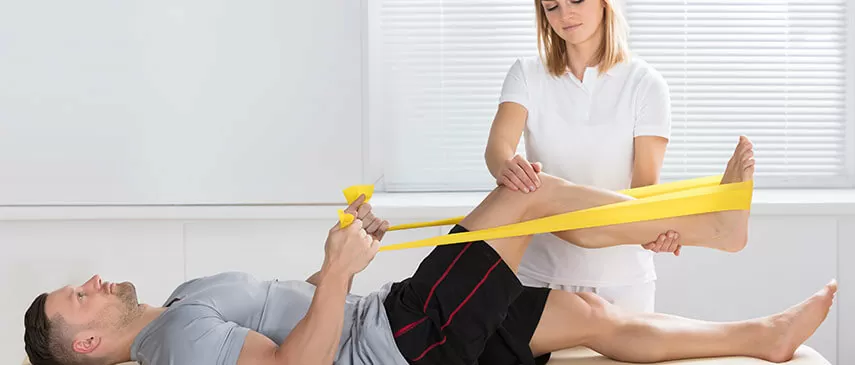
Unlike medications, which simply place a proverbial bandage over the issue, physical therapy works to address the root problem. Since causes of chronic are often associated with damage to a joint or muscle group, improving the range of motion of joints may improve symptoms. In this case, more movement of joints encourages the body’s natural response to improve mobility and muscle tone, endurance and strength. As a result, pain decreases.

For people with known injuries, treating injuries with physical therapy serves additional purposes. These include improving circulation to the joint and tissues to promote healing, as well as helping a person learn to move the joint without risking additional damage. The long car-ride is an example of how failure to move frequently contributes to soreness. Over time, the limited motion will cause pain during movement. So, routine treatment with a physical therapist may reduce the risk of chronic pain, as well as improve symptoms for those living with it today.

Stop Living in Pain With Physical Therapy Treatment for Chronic Pain Now.

Chronic pain does not always require advanced medication treatment. Instead, physical therapy and understanding more about the causes of chronic pain may be the best solution, and in fact, they carry less risk for injury, result in fewer side effects and elimination of the risk for addiction. To learn more about how therapy could help with your chronic pain, schedule your consultation online today.

Aches-and-pains-scaled.jpeg

Aches and pains in the morning? Find out what might be causing them.

Are you suffering from aches and pains in the morning? Unfortunately, millions of people experience sore muscles and stiff joints in the morning. There could be a variety of reasons for this, with the severity of pain ranging from mild to even severe in some cases. Aches and pains in the morning are not only uncomfortable but can at least temporarily limit your mobility during the day. Call  to find out how we can help you eliminate aches and pains in the morning and throughout the day.

What are Morning Aches and Pains?

Feeling achy and sore in the morning can be different from other types of pain you experience at other times throughout the day. After an intense workout, you might have sore muscles from overexertion. If you’ve experienced an injury of some sort, this can also cause pain. Aches and pains in the morning occur after you’ve been sleeping for several hours. Morning pain and stiffness are usually not caused by concern. Harvard Health Publishing states that if stiffness lasts more than 30 minutes you’ll want to see a doctor. These could be signs of more serious conditions such as rheumatoid arthritis or polymyalgia rheumatica.

Causes and Symptoms of Aches and Pains

Accidents, injuries, and chronic health conditions could all be reasons for experiencing ongoing pain. Aches and pains in the morning, however, could be the result of the following:

  • Poor Sleeping Positions – Aches and pains in the morning are often related to awkward sleeping positions. Sometimes the pain is due to the wrong type of mattress or pillow.
  • Inflammation – Chronic low-grade inflammation is sometimes the culprit when experiencing morning aches and pains. Inflammation and morning stiffness often increases with aging.
  • Arthritis – If you’re suffering from any type of arthritic condition, pain and soreness may be more of a problem in the morning.
  • Diet – A diet that is high in fast food and processed foods can cause inflammation in the joints. Excessive amounts of sugar and red meat could also contribute to aches and pains.

There are several symptoms you might experience if you’re sore and achy in the morning. Pain is often located in the neck and back area, although you may also experience pain in your legs, arms, and shoulders. Stiffness will often accompany morning aches and pains.

How Physical Therapy Helps

Staying hydrated, eating healthy, and getting enough exercise can help reduce aches and pains in the morning. Working with a physical therapist can also help. A therapist will conduct a thorough evaluation of your current health, sleep habits, and medical conditions. A physical therapist can teach you exercises you can do in the morning when you first get out of bed. A routine prescribed by your therapist can target specific problem areas such as your back or shoulders.

A physical therapist can also recommend different sleep positions that may be able to decrease the pain you experience each morning. A physical therapy program can be created that will specifically treat your aches and pains. This could include manual therapy, hot and cold therapy, and sensory re-education.

According to the American Physical Therapy Association, the field of physical therapy is using a cutting-edge treatment such as “brain rewiring” to combat pain. Contact Premier Therapy Centers West Commerce & Bloomfield Township, MI, to learn how physical therapy can help eliminate your aches and pains.

Contact us for assistance:

If you are unsure where to begin when it comes to treating your lower back pain, contact Premier Therapy Centers in West Bloomfield & Commerce Township today to schedule a consultation. During your first session, you can get started on learning how to make simple changes that will decrease the severity and frequency of your lower back pain episodes. Our dedicated physical therapists will be here to assist you every step of the way, and will help you reach each of your goals on your journey toward long-lasting pain relief!

back-pain-and-sciatica-relief-1280x500-1.jpg

3 Simple Ways to Reduce Lower Back Pain

Are you suffering from lower back pain? If so, you know how debilitating it can be. It seems easy enough to take medication to ease the pain, but with over-dependence on prescription medication becoming a national epidemic, many people with lower back pain are looking for a simpler solution. According to a study published in BMC Health Services, physical therapy has been known to prevent habit-forming dependencies on prescription medication, and to reduce the overall health cost that a patient will have to pay for pain relief.�

In fact, your physical therapist will not only help relieve your lower back pain during your sessions, but they can also provide simple pain-relief strategies that you can carry into your daily life. Some of the best pain-reducing techniques that you can undertake both at home and during physical therapy include:

1. Find a natural balance between your rest and activity.

Bed rest is a common initial prescription for lower back pain in some cases. It is especially true if your pain comes from an injury or re-injury. In fact, resting while applying ice packs is a time-honored way of reducing swelling in the first day or two. However, for chronic lower back pain, moving around is much better medicine than lying around. Physical activity releases your natural endorphins, which have both mood-lifting and pain-killing properties.

Of course, it is important not to overdo your workouts before consulting with your physical therapist. Keep it simple by taking a light walk or getting some household chores done, in order to limber up your back and release those helpful endorphins. If a brace helps in relieving your pain, wear it to support your lower back as you move.

Physical therapy is an important exercise option. It delivers both the benefit of exercise and the watchful eye of a professional to make sure you are using proper technique and remaining sage. Your physical therapist can warn you about moves that risk re-injury and will work with you on both flexibility and strengthening moves. These exercises are meant to build up the muscles that support your spine, in order to ease the pain on your lower back. They also help provide greater range-of-motion as you work through that back stiffness. �

2. Focus on your hamstrings.

While it is not something that backs pain sufferers always consider, your hamstring muscles can play a key role in whether or not your lower back joints become over-stressed. When the backs of your upper thighs are too tight, your lower back has to work in overtime, in order to compensate. Stretching your hamstrings helps to lengthen those muscles, which can help to soothe your lower back — especially when it’s in spasm.

A physical therapy session can help you identify specific stretches for your hamstring muscles, and will help in explaining how the two muscles affect one another. In the meantime, try bending over and reaching for your toes twice a day. Don’t strain as you reach down, and try not to lock your knees. If you feel any pain at the outset, discontinue the exercise, and talk to your physical therapist about alternative hamstring lengthening exercises.�

3. Alternate between ice and heat remedies.

Alternating hot and cold compresses or packs on your lower back can help in providing significant pain relief. If you prefer one remedy over the other, it is not necessary to alternate every time, but often alternating the two extremes can help provide a fuller range of benefits.

Heat works to increase your circulation, and when your body experiences that extra blood flow, your healing properties are initiated in your bloodstream. Hot compresses and packs also ease pain by blocking the painful “signals” that run from the nerves in your lower back to your brain. However, cold packs can also come to the rescue with their ability to numb the pain, halt spasms, and reduce swelling in the affected area.

During physical therapy, you’ll receive expert applications of these ice and heat therapies. Your physical therapist can also recommend the best types of hot or cold remedies for your specific condition. As a general rule, ice packs and heating pads are good all-around options, as both are effective, inexpensive, and readily available.

Contact us for assistance:

If you are unsure where to begin when it comes to treating your lower back pain, contact Premier Therapy Centers in West Bloomfield & Commerce Township today to schedule a consultation. During your first session, you can get started on learning how to make simple changes that will decrease the severity and frequency of your lower back pain episodes. Our dedicated physical therapists will be here to assist you every step of the way, and will help you reach each of your goals on your journey toward long-lasting pain relief!

AdobeStock_214597619-e1555083073804.jpg

Nutrition: The Quick and Easy Way to Reduce Your Pain and Inflammation

If you are dealing with chronic pain or inflammation in your life, proper nutrition can play a key role in helping you find relief. Diet is an important part of any physical therapy regimen because eating the right foods can help your body recover from many different conditions. Eating right, paired with reduced stress and proper exercise can help in correcting inflammation and chronic pain. To find out more about how our nutritional services can benefit you, contact Premier Therapy Center today and schedule a consultation with one of our physical therapists.

How does inflammation occur?

Inflammation is part of the body’s healing process, as it is an immune response to harm or sickness. If you’re feeling pain, there is probably inflammation at that location, as the two often go hand-in-hand. If you have an infection, a wound, tissue damage, or a buildup of toxins in your body, the immune response is triggered in order to initiate the healing process.�

Without inflammation, injuries would not be able to heal completely; however, if the inflammatory response goes on too long, it can cause chronic inflammation. Chronic inflammation is a cause for worry, and your physical therapist will want to help you get it under control. Without treatment, chronic inflammation can lead to much worse outcomes, such as arthritis, diabetes, heart disease, and even some cancers.�

The traditional methods of dealing with chronic inflammation include rest and medication. Traditionally, primary physicians would even recommend limiting your amounts of exercise. However, a lack of exercise can leave you worse off in the long run than doing the simple stretches and exercises that a physical therapist can teach you. Additionally, medications can often carry a host of nasty side effects and could potentially be habit-forming. The good news about treating pain and inflammation with diet is that it’s all-natural!

How to maintain an anti-inflammatory diet:

Many patients who adopt an anti-inflammatory diet report lessened symptoms of pain and inflammation. You can help speed up the healing process as the body purifies itself during the inflammation process by switching to a diet that complements the removal of toxins. There are three basic components to an anti-inflammatory diet:

  • More vegetables.�One of the best ways to reduce inflammation is to increase your veggie intake. This diet is most successful if you eat up to nine servings a day, with the vegetables preferably served raw. Brussels sprouts, cabbage, cauliflower, and broccoli are some of the best options. It is okay to substitute fruits for a couple of your servings, in order to break it up, but vegetables should be your main ingredient for the most part.�
  • Less red meat.�It is best to avoid red meat altogether in an anti-inflammatory diet, but if you must add some in there, it should be very scarce. One small piece of steak, one time per week, should be your maximum limit. The proteins in red meat require extra work from your kidneys to process; therefore, eating a lot of it will slow down your healing process. The good news is that chicken and fish are just fine for an anti-inflammatory diet. Enjoy them with all of those servings of vegetables!
  • Less dairy and grains.�In order to strengthen your body’s immune response as much as possible, you’ll want to try and avoid simple carbs and sugars completely. That means no pastries, no donuts, and no white bread. Dairy products should also be extremely limited, so be mindful of serving very little cheese or milk with anything. Whole grains such as barley, oats, brown rice, and wheat are best when practicing an anti-inflammatory diet.

Additional support:

If you stick to the diet listed above, you should see your pain and inflammation symptoms start to significantly reduce. You can also combat chronic inflammation by maintaining healthy body weight, getting daily exercise, and learning how to manage your stress.�

To learn more about how we can help you abide by a strict nutrition plan to decrease inflammation and boost overall wellness, contact our office today. One of our physical therapists would be happy to set up a consultation�and speak with you!

sprains-and-strains.jpg

What You Need to Know About Sprains, Strains and Ankle Pains!

While the terms sprain and strain are often used interchangeably, there is a key difference between the two. A sprain is the tearing or overstretching of ligaments. And ligaments are the rows of tissue that connect bones in a joint. The most common location for a sprain happens to be the ankle joint. A sprain to the ankle joint often causes ankle pain. Specifically, a strain is the tearing or overstretching of a tendon or muscle. It’s the tendons that connect bones to the muscles. The most common location for a strain in the lower back and hamstring. To learn more about sprains and strains, give our office a call.�

The Similarities of a Sprain and a Strain and Causes

The symptoms of a sprain and strain are much alike. That’s due to the fact that the injuries are very similar. You may experience swelling, muscle spasm, difficulty with range of motion, limited flexibility and pain around the affected joint. The main difference between the two is that a sprain will usually present with bruising around the affected joint.

The cause of a strain or sprain may be due to:

  • Athletic activities
  • Slipping and falling
  • Prolonged repetitive motion
  • Lifting heavy objects
  • Overexerting yourself

The risk factors for a strain or sprain include not warming up before physical activity, being tired, using improper equipment and being out of shape. Plus, there are environmental risk factors, such as slippery or icy surfaces.

Treatment for Strains and Sprains

Mild sprains and strains are often treated with the RICE technique: Rest, Ice, Compression, and Elevation. However, when the RICE technique doesn’t work, it’s time to see a doctor. A doctor may take an X-ray to see if there are any breaks to the bone. If that’s ruled out, the diagnosis is usually a strain or sprain. Your doctor may even recommend a physical therapist. No matter how you incurred the strain or sprain, physical therapy can play a major role in your comeback. A physical therapist will use a mix of different techniques to reduce pain, including ankle pain, improve strength and ramp up coordination. Active treatment includes stretching and exercises. Passive treatments include ultrasound, electrical stimulation, heat therapy, and massage. Electrical stimulation and heat therapy are very effective in reducing ankle pain.

Physical therapy has been proven to be effective for ligament sprains like an ACL tear. An ACL tear is a very common knee injury. Physical therapy has also been shown to be effective for an injury to the Achilles tendon and other types of sprains and strains.

The Stats on Ankle Injuries

According to WebMD, “Ankle injuries can happen to anyone at any age. However, men between 15 and 24 years old have higher rates of an ankle sprain, compared to women older than age 30 who have higher rates than men. Half of all ankle sprains occur during athletic activity. Every day in the U.S., 25,000 people sprain their ankle. And more than 1 million people visit emergency rooms each year because of ankle injuries. The most common ankle injuries are sprains and fractures, which involve ligaments and bones in the ankle. But you can also tear or strain a tendon.”

If you’re suffering from ankle pain or a strain or sprain, be sure to contact our office to learn how we can get you on the road to recovery. Our experienced and certified physical therapists will do a comprehensive assessment of your condition and create an individualized treatment program. Live a pain-free life with physical therapy.

no-more-pain-meds.jpg

Try a Natural Treatment! How Physical Therapy Can Help You Live Without Pain Meds

By any reasonable standards, ours is a highly medicated society. Scan any grocery store or pharmacy aisle and you’ll see all kinds of over-the-counter painkilling drugs. Doctors routinely write prescriptions for heavier pain relievers, including the opioid drugs that have become a national abuse nightmare. If you’re tired of suffering from chronic pain but you’re not ready to turn your body into an ongoing chemistry experiment, you’ll be happy to know that physical therapy can give you safer, healthier, longer-lasting pain relief. Let’s explore how this form of natural treatment could make all the difference in your quality of life.

A Healthy Alternative to Opioid, Steroid and NSAID Use

If you follow the media at all, you’ve heard about the serious dangers of opioid medications. These narcotics, which include both prescription medicines and illicit drugs, kill at least 115 Americans every day via overdose. Opioids are not only tremendously powerful and have the potential for dangerous interactions with other drugs, they frequently lead to addiction as well. Another class of prescription painkillers, steroids, can also pose risk and dangers. Epidural steroid injections to relieve pain can contribute to cataracts, arthritis in the hips, elevated blood sugar, stomach ulcers, and nerve damage from the injection itself. Even ordinary NSAIDs such as ibuprofen can cause stomach bleeding and liver problems — and they offer only temporary pain relief.

Physical therapy may allow you to sweep all of those risks, worries and unpleasant effects aside. While some cases of severe pain might still require some pharmaceutical intervention, physical therapy can help many patients greatly reduce — or even eliminate — their reliance on painkilling medications. Our physical therapist can use a combination of techniques to treat a wide range of painful problems, from acute injuries and post-operative wounds to chronic pain syndromes and conditions. This is especially good news if you’re looking for some form of ongoing chronic pain management that doesn’t involve constant dosages of drugs or if you’re already on essential medications and you worry about their interactions with painkillers.

How Our Physical Therapist Helps You Feel Better

Our physical therapist treats each and every individual on a personal basis since every human body and every condition is different. Your physical therapy pain relief or pain management plan may vary according to your specific problem. If you’re suffering from a recent acute injury, for example, we may use massage therapy, ultrasound, heat, ice and other techniques to ease your pain and jump-start the healing process.

Once you’re safely able to move to exercises, our physical therapist can prescribe gentle stretches, walking, cycling, swimming or other motions to help mobilize your body. These forms of physical therapy are good for helping soft tissues move more easily and comfortably and for keeping arthritic joints mobile and lubricated. Strengthening exercises can rehabilitate damaged muscles so they can perform without pain. Exercises can also help you maintain a straighter posture and ease pain from spinal nerve compression. These techniques work: An 11-year study of chronic pain sufferers showed that regular exercise meant less pain.

Effective physical therapy isn’t just the work of the physical therapist — it also depends on the efforts of the patient. We will take the time to educate you about the nature of your pain and the importance of following your routine faithfully. But it’s still up to you to engage fully in the journey toward pain relief.

Just Say No to Drugs — and Yes to Our Physical Therapist

Drugs aren’t your only pain management option. Contact our physical therapists today to learn more about your natural alternatives!

pre-hab.jpg

Want to Recovery Even Faster? Try Pre-hab!

If you are considering surgery, you are probably well aware of the need for rehab post-surgery. Rehab sessions with a physical therapist are a major part of the process of getting surgery — without the physical therapy of rehab, it is difficult and sometimes impossible to get on your feet again.

What you may not have heard of is pre-hab. Where rehab is physical therapy following surgery, pre-hab is the process of working with a physical therapist to prepare your body for surgery. Pre-hab with a physical therapist has been shown to reduce recovery times and improve outcomes after surgery. It is a valuable tool, one we want to help you take advantage of.

Let our Premier Physical Therapy Centers help you with pre-hab. Please contact us to speak to a physical therapist and learn more about what pre-hab can do for you!

What Is the Difference Between Rehab and Pre-hab?
Understanding Rehab

When you go through surgery, it is normal to feel some pain and discomfort. The pain can cause you to avoid certain movements. You may also have to limit your movement for a time to ensure proper healing. Unfortunately, not moving can cause serious problems over the long-term. Your body can form adhesions and inflammation can set in. To combat these undesirable outcomes, you need to move.

Rehab is a must following surgery. A physical therapist can help you move safely — movement that will keep adhesions from forming and fight inflammation. Physical therapy also makes you stronger so you can get back to your normal life after surgery.

Understanding Pre-hab

Pre-hab with a physical therapist helps you get a jump-start on the recovery process. It can even make surgery more successful. Physical therapy designed for pre-hab works to strengthen your body before the surgery. It also reduces inflammation, which can make the job of the surgeon easier.

You can think of pre-hab as stocking away health for a later time. Spending even a few sessions with a physical therapist builds up your health account, so when you are out of the running for a while post-surgery, you have more strength to draw on. Instead of starting out rehab with a fully depleted account, you will have a reserve already — one that will make your rehab work more successful and faster.

How Much Does Pre-hab Help?

Physical therapy for pre-hab is a pretty easy concept to understand. But has it been proven? The answer is a definite, “Yes!” According to the Arthritis Foundation, a study conducted by three universities in Boston — one of them being Harvard — demonstrated that patients who engaged in pre-hab had much better outcomes following surgery.

Working with a physical therapist before surgery makes it possible to get out of the hospital faster, too. A good example of this can be seen in knee replacement patients. Patients who went through physical therapy for pre-hab before knee surgery are able to meet the requirements to get out of the hospital more quickly than those who did not go through physical therapy prior to surgery.

In most cases, knee replacement patients must walk a certain distance and travel up to several stairs before they can leave. For patients that have worked with a physical therapist before surgery, meeting these requirements is easier to do. Their bodies are stronger due to physical therapy. Even after surgery, they are stronger than those who have not worked with a physical therapist.

Your Source for Pre-hab

The benefits of physical therapy for pre-hab are undeniable. So, how do you sign up? We are here to make getting pre-hab as simple and convenient as possible. Please call�us at one of our two MI physical therapy offices to schedule an appointment with a physical therapist. Let us help you get stronger to improve your surgery outcome!

Say No to Sciatica Today with Physical Therapy!

The sciatic nerve is the largest nerve in the human body. It extends from the lumbar spine through the buttocks area. Sciatica is pain that results from the irritation of the sciatic nerve. Generally, pain is felt in the lumbar area and behind the thigh. The pain can also radiate to the lower limbs. Sciatica can make bending and walking very difficult. The most common cause of sciatica is lumbar disc herniation, but it can be caused by a back injury and disc degeneration. Sciatica is also referred to as lumbar radiculopathy.

Diagnosing and Treating Sciatica

Sciatica is diagnosed with a medical history and physical exam. A CT scan or MRI may be performed to locate the root cause of sciatica. According to Move Forward, “Conservative care like physical therapy often results in better and faster results than surgery or pain medication.” A physical therapistwill work with you to:

  • Reduce sciatica pain.
  • Improve motion.
  • Improve flexibility.
  • Increase in strength.
  • Educate you on how to stand, bend and twist.
  • Return to normal activities.

A physical therapist may use several types of treatments to reduce pain and symptoms of sciatica. Active treatments include motions, stretches and specific exercises to accelerate healing and give pain relief. A physical therapist will teach you different motions that you can do at home for pain relief. If a physical therapist discovers any weak muscles, you will be given corrective exercises for core strengthening. The strengthening exercises in physical therapy not only focus on the lower back but the abdominal muscles, hip muscles, and glutes. All of these exercises help strengthen the spinal column, including the tendons, ligaments and supporting muscles while keeping the spine in proper alignment.

The stretching exercises in physical therapy target muscles that are inflexible and tight. Hamstring stretching is an important part of a physical therapy treatment program to alleviate sciatica. An aquatic exercise program may also be recommended by a physical therapist. You can do exercises easily with the buoyancy of water.

Passive treatments may include electric therapy, heat therapy, ultrasound or massage therapy. All of these different modalities help reduce pain, stimulate blood flow and accelerate healing. Electrotherapy uses electricity to reduce pain, strengthen muscles, ramp up circulation and improve physical function. Massage therapy helps alleviate sciatic nerve pain. It loosens tight back muscles that may be pressing on the sciatic nerve, and it increases the release of endorphins for pain relief. Heat therapy helps relax muscles and reduce inflammation.

All around, physical therapy for sciatica is a non-invasive, multifaceted treatment and an effective treatment plan that is targeted to the root cause of sciatica. A physical therapist will devise a personalized treatment just for you. The goal is to help you live a pain-free life. Say “no” to surgery and opioids with physical therapy.

You can say “no” to sciatica with physical therapy. Plus, you’ll learn how to prevent sciatica in the future by doing home-exercise motions that your physical therapist has taught you for maintenance. By practicing good posture, proper body mechanics and staying in good shape, you can also prevent sciatica from occurring again.

If you’re suffering from sciatica, be sure to give us a call�at one of our two MI physical therapy offices for a one-on-one consultation with one of our physical therapists. A comprehensive exam will be performed, and our physical therapists will get you on the road to recovery. Get back in the game with physical therapy. You’re just a phone call away from living a pain-free life.

healthy-life.jpg

Bogged Down by Pain? Try These 5 Quick Tips for Less Pain and More Energy

If you’re hurting and need quick relief, your physical therapist can help. In a customized physical therapy program, you’ll learn some highly effective pain relief techniques that can also help boost your energy. Our physical therapy providers are experienced with all types of pain and can help you live a pain-free life at last. Get in touch now with Premier Therapy Centers�to schedule your physical therapy appointment.

1. Take Breathing Breaks

Sure, you breathe all the time, but it’s not focused breathing. As your physical therapist can tell you, focused breathing can really help relieve your pain and may even give you that little extra energy burst you need to keep going with your day. Every few hours, take a few minutes to stop, close your eyes, and breathe deeply. Breathe in deeply through your nose, filling your lungs as completely as possible. Then, breathe out through your mouth, keeping lips pursed a bit to really push the air out. Focus on nothing but your breathing for a few minutes and you’ll be amazed at what a difference it can make.

2. Get Moving

Many people underestimate the importance of moving, but it’s something you’ll learn in physical therapy. When you’re hurting it may seem more instinctive to curl up in a ball, but that’s the worst thing to do. Force yourself to get up and move around every hour or so. Even if you just take a simple walk around the room or around your office, this can help you hurt less and feel more energized. You don’t have to do a full physical therapy session to feel the benefits of movement, so practice this every day at home as well as with the help of your physical therapist.

3. Adjust Your Sitting Habits

Your sitting habits can make a big difference when it comes to pain and energy levels. Your physical therapist may recommend some simple adjustments that help. For example, a lumbar cushion can help relieve pressure from your lower back. Simply by avoiding pain, you’ll feel less sapped of energy! Your physical therapy team can offer customized tips based on your work environment.

4. Improve Your Posture

Posture improvement can make a huge difference in how you feel overall. Your physical therapy program can help you improve your posture, and it’s something that you’ll carry with you long term. Simply standing and sitting with shoulders back, chest out, and a straight spine instead of a slumped-over one is a great start. Your physical therapist can guide you towards posture habits that alleviate pain and pressure, which in turn gives you more energy to face the day.

5. Drink More Water

Did you know that you’re supposed to drink between half an ounce and one ounce of water for each pound of your body weight each day? Drinking enough water means that you’ll avoid dehydration, and this, in turn, allows you to avoid problems like muscle cramps, headaches, and overall fatigue. Water is always the healthiest option, so try to keep plenty of water close at hand as you move throughout your day. You’ll notice that you feel less pain and increased energy. The bonus is that it can help keep your appetite under control, which may, in turn, help you avoid gaining extra weight!

Physical therapy is a great way to recovery from injury or illness to feel your very best. Use the tips above to supplement your custom physical therapy program for optimal success. Call�us anytime to get help from experienced physical therapists who can help you escape the pain for good.

more-energy.jpg

What you can do to be Healthier, Stronger, and More Active!

The tennis shoes collecting dust. The yoga mat curled in the back of your closet. The gym membership that hasn’t seen you in, well, months. Like you need any more proof that sticking to an exercise routine is tough. Hey, whoever said New Year’s resolutions can’t be made at any time of the year?

Never fear. We’ve got a list of tips to help you grow healthier, stronger and more active — and we’re willing to bet these suggestions will provide at least a little motivation to put those stretchy pants to good use.

Conquer the Pain

By now you’ve probably heard the stats. Chronic pain can put a major cramp in an exercise routine, and yet over half the country suffers from some sort of debilitating pain. So what’s a person to do when they want to be healthier, stronger and more active? Get themselves to a physical therapist — pronto. Physical therapy can help alleviate pain better than popping a pill or sitting on the couch, and the results are often permanent.

Physical therapy can help with all types of chronic musculoskeletal and neuropathic types of pain, from ongoing headaches to fibromyalgia. A physical therapist can manipulate your bones and joints to reduce discomfort. She can work with you to form an exercise and movement plan that lessens your pain and increases your mobility. A physical therapist can also help with laser therapy, massage or microcurrent stimulation — all in the name of getting you up moving and living life to the fullest.

Think Positive

All that mind over matter stuff really works. Research shows that a positive attitude can boost your immune system and increase your energy levels. Your body believes what you think, so try to focus on maintaining an attitude of gratitude and look for the positive even in the midst of turmoil. If you’re ever feeling stuck or unsure how to creep out of a negative disposition, repeat the following mantra: I have the power to create change. Because you do.

Eat Well

Don’t think for a minute we don’t love our hoagie rolls or dipped-in-milk cookies. Quite the contrary, we love to spoil ourselves with treats. Just try to balance those delicious yummies with a well-rounded, healthy diet. Here are some tips to get you going:

  • Consider Uncle Sam’s recipe for health: lots of fruits, vegetables, whole grains, and fat-free or low-fat dairy products; some lean meats or meat substitutes, beans, eggs and nuts; and minimal saturated fats, trans fats, cholesterol, salt, and added sugars.
  • Avoid skipping meals. Eating consistently provides your mind and body with the fuel necessary to help you get and stay active. It also helps you avoid your blood sugar dropping, which can lead to irritability, nervousness and a whole host of other problems.
  • Snack smart. It’s okay… Let’s rephrase that. It’s good�to snack. Doing so keeps you at your best so that you can sustain your energy and stay positive. Choose peanuts over pretzels.

Be Sneaky

That’s right. We give you permission to be sneaky when it comes to exercise.

Physical therapy often prescribes small changes to a person’s routine in order to make the adjustments manageable. Some ways that even a physical therapist would approve of include:

  • Park farther away from your destination and walk the extra distance;
  • Walk up and down the field while your children are playing sports;
  • Take the dog on walks with the whole family;
  • Exit the bus one stop early and walk the rest of the way;
  • Opt for the stairs instead of the escalator or elevator; and
  • Rake leaves, shovel snow or otherwise maintain your yard.

Whether you’re 22 or 72, whether you’re suffering from chronic pain or simply need more motivation, living life healthier, stronger and more active will improve your physical and mental health.

If you’d like to help to develop a plan or alleviating pain, contact�our office to see how physical therapy can help you get living more fully.