
core-strength.jpg

The Connection Between Core Strength and Better Balance

Physical therapy as an industry has been talking about the link between core strength and better balance for years. When the “core” muscles around your trunk are strong, they prevent chronic lower back pain and many other injuries, but they also keep you from losing your balance and falling down. A stronger core will help to keep you upright — especially as you age and start to become more at risk of falling. If you’d like to get started on a core routine to improve your balance, contact us today to speak with a physical therapist!

How Core Strength and Balance Are Linked

There are three systems in your body that help to control your balance. One is the vestibular system; the liquid in your inner ear functions sort of like a “carpenter’s balance” to keep you level. If you’ve ever felt dizzy, it means the liquid in the vestibular system can be “off” a little bit. Another balancing system is your visual system. Your eyes send signals to your brain about your position in relation to the world around you. The final system is the proprioceptive system, which has to do with your core.

Proprioception nerves are sensory nerves situated throughout the body that make you aware of your posture and awareness of spatial things around you. To stay balanced, you have to have equilibrium in all three systems. A weak core is one element that can make you feel off-balance and cause you to fall down.

Core Muscles, Core Stability & Core Strength

Your core muscles are more than just your abs! In fact, there are two groups of core muscles: Inner core and outer core. The inner core muscles are attached to your spine; they’re the muscles that stabilize your core. The outer core muscles work in conjunction with the inner core muscles when you need to move your body from point A to point B (or to do most physical activities).

Core stability relates to your inner core muscles. These muscles stabilize your spine. Core strength relates to the outer core muscles and is developed to help you move around better. Engaging in physical therapy will help you to train both inner and outer core muscles for better balance and movement.

Core Strength & Stability Through Physical Therapy

You don’t need a bunch of expensive gym equipment to start working on your core strength. In fact, here’s a quick exercise that many physical therapists will recommend if you’re just starting out. It’s called the “drawing in maneuver,” or if you prefer the less fancy term, “sucking your gut in.”

First, stand up straight and find the proper pelvic position. This is done by rotating your hips forward and back finding the comfortable “middle” position. Then, draw your belly button in toward your spine. Don’t hold your breath — it’s not a breathing exercise. You should be able to talk, breathe and slowly walk around with your belly button drawn in. It sounds easy, but if you’re older, out of shape or recovering from an injury, the drawing in maneuver will be a little difficult at first.

You want to build up your core muscles until you can hold your belly button in for 30 seconds before moving on to more difficult core exercises. Also, if you feel any pain from this exercise, stop immediately. It shouldn’t be painful. As you build up your core, your physical therapist will recommend moving on to more strenuous exercises that are appropriate for your age and ability. This can range from planks and bridges for the more athletic, to gentler workouts like a yoga routine for older folks. Your therapist will also work with you on specific core exercises to help your balance.

If you have a weak core or you’re struggling with balance, physical therapy can help! Call one of our two MI physical therapy offices. and schedule an appointment to get started with a physical therapist today.
back-and-neck-pain.jpg

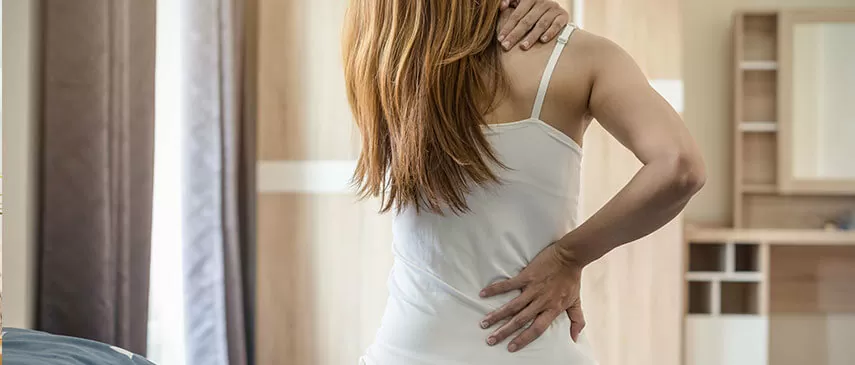
Back & Neck Pain? Physical Therapy Can Help!

Many people have back pain and neck pain. As a matter of fact, studies reveal that 90 percent of people will experience either back pain or neck pain at least once in their lives. It’s not always easy to isolate those regions of the body that are causing back pain or neck pain. Pain can radiate to the arms, legs and even the head. Each episode of pain can progress more, last longer and travel further from its origin. If you figure out the cause, you may wind up needing pain management or even surgery.

The Benefits of Physical Therapy for Back Pain and Neck Pain

Physical therapy for back pain and neck pain is focused on the structures that support the spine, including ligaments, tendons, muscles, and joints. Some types of active physical therapy for neck and back pain include specific stretches, exercises, adjustments, and even aquatic exercise. The buoyancy of the water takes the pressure off of the cervical and lumbar spine while you’re performing the exercises.

Passive physical therapy includes different modalities, such as ice and heat therapy, massage therapy, electrotherapy, and ultrasound. Ice or heat therapy increases blood flow for healing, reduces swelling and pain and loosens up stiff muscles. Massage therapy relaxes muscles and helps reduce pain. With electrotherapy, electrical impulses are sent to the sensory nerves to alter pain signals. It’s a mildly warm sensation that reduces pain and relaxes muscles.

A Physical Therapist for Neck and Back Pain

Before treatment even begins, a physical therapist will perform an examination to determine the root cause of your back or neck pain. A goniometer may be used to measure your range of motion. A strength test will also be performed. Spinal mobility will be measured along with palpation to locate sore or tight muscles. A full medical history will be taken in addition to your symptoms. You can discuss the things that you are now not able to do. A physical therapist will also ask you to perform certain tasks in order to determine your functional mobility. In sum, a full assessment of your physical condition will be done, and a personalized treatment plan will be created to target the cause of your back or neck pain.

Why a Specific Treatment Plan Is Developed

A specific treatment plan is developed since the cause of your back or neck pain can vary. It may be due to disc herniation, degenerative disc disease, a sports injury, whiplash, osteoarthritis or poor posture. A herniated disc occurs when the gel-like material of the disc bulges or leaks out. Degenerative disc disease occurs when there is wear and tear on the discs. Osteoarthritis is wear and tear on the facet joints and can cause friction when bending, pinch a nerve root and result in sciatica. And it’s not uncommon for athletes to incur sprains and strains to the neck or back regions when engaging in sports.

The good news is that physical therapy has been proven to help with neck pain or back pain regardless of its root cause. If you’re suffering from neck pain or back pain, call our office today to see how physical therapy can help get you back in the game and live a pain-free life. Our physical therapists are certified and experienced. They’ve helped many others and can help you too.

Give us a call at one of our two MI physical therapy offices and learn how we can get you on the path to recovery. There’s no reason to suffer in pain when we have the solution.

Suffering with Back Pain? Check Your Posture!

If you are like most people, you have had someone tell you to sit or stand up straight — probably during your teenage years. At the time, the demand was probably annoying and one you did your best to ignore. But it turns out that good posture is important for more than just looking confident and respectable. Sitting and standing with good spinal alignment can help prevent back pain.

One major focus of physical therapy is to teach patients how to practice good posture. Your physical therapist can help you understand the importance of posture and give you valuable training to help you achieve it, day in and day out.

Let Premier Therapy Centers help you discover the benefits of physical therapy for back pain. Please contact us today to schedule an appointment with a physical therapist!

Good Posture — What It Does to Relieve Back Pain

Your spine is designed to operate in a certain way. When you move, sit and stand in ways that disrupt the correct operation of your spine, you can create problems over time. Practicing good posture — with the help of your physical therapist — is one way that can work with your spine to minimize back pain.

When you are in physical therapy, you will learn good posture and discover several ways in which the healthy movement patterns taught by your physical therapist will minimize your back pain. These include:

Avoid Undesirable Anatomical Changes

The ways that you use your spine can actually cause changes in your anatomy. The stress caused by sitting hunched can eventually lead to damage of your spinal discs, muscles, joints and the nerves and blood vessels traveling through your spine. Many times the damage can be reversed, though, if you engage in targeted physical therapy and learn to sit and stand correctly from your physical therapist.

Promote Good Circulation

When you maintain proper spinal alignment, your veins are not constricted by the press of your vertebrae. All of the numerous components of your spine require good circulation to operate correctly and to regenerate from damage and wear and tear.

When your physical therapist guides you through the different physical therapy exercises that help with posture, you will get better at keeping the alignment required for optimal circulation.

Encourage Strength and Flexibility

If it has been a while since you have regularly had good posture, chances are that trying to maintain such posture over a long period will be difficult. It may take some time in physical therapy to gain the strength and flexibility necessary to keep the ideal posture.

Fortunately, the work you do with your physical therapist to achieve your goal will lead to greater overall fitness. The stronger and more flexible you get, the less likely you are to suffer from back pain on a regular basis.

Improved Posture in all Activities

Most people think of posture in static positions, like sitting at a desk or standing for a period of time. But good posture is important in everything that we do.

In physical therapy, your physical therapist can instruct you on how to maintain good posture during all of your favorite activities, such as running, playing sports, and walking. The improved posture you adopt in each activity will lessen the wear and tear you put on your spine, which minimizes the risk of developing back pain from these activities.

Prevent Back Pain Caused by Improper Lifting

Good posture is a vital component of lifting objects without injury. When you lift and fail to use good posture, there is a much greater chance that you will wind up hurting your back.

Ask your physical therapist about proper lifting posture. He or she can show you how to lift correctly and guide you through some exercises to clarify the right posture.

Help With Your Back Pain

If you are suffering from back pain, please call one of our two MI physical therapy offices. Our physical therapy team can help you get the relief you deserve!

shoulder-therapy.jpg

Try Physical Therapy for These 5 Common Causes of Shoulder Pain

Physical therapy is a safe, effective and non-invasive treatment option that is designed to relieve pain resulting from a wide range of musculoskeletal conditions, sports injuries, workplace injuries and more. Regular appointments with a physical therapist are ideal for people of all ages. Patients typically see a physical therapist to help manage chronic pain symptoms and prevent future injury. One of the biggest reasons new patients visit our physical therapist each day is to address chronic shoulder pain. Shoulder pain can be caused by a number of different factors and make completing daily tasks nearly impossible without treatment. If you or a loved one is experiencing shoulder pain, Premier Therapy Centers can help!

Top 5 Most Common Causes of Shoulder Pain

The average person probably doesn’t give much thought to their shoulders as they go about their day. But your shoulders actually do quite a lot of work to help you complete everyday tasks, and if they become strained or injured, you could be left experience severe shoulder pain. Some of the most common causes of shoulder pain include:

Tendinitis

This is a common condition that causes inflammation in the shoulder area and has been known to send many people straight to the physical therapist for relief. The condition typically affects those who are very physically active or people who work at a job that requires them to complete lots of repetitive motions. For example, if you’re an athlete who plays tennis a lot or you work as a professional painter, you could be at risk of developing tendinitis in your shoulder. If you are at a high risk for tendinitis, it is very important to remember that along with physical therapy, resting your shoulders regularly can help to prevent chronic pain.

Frozen Shoulder

Frozen shoulder typically occurs after an injury or alongside another shoulder condition. Most physical therapists recommend that patients with frozen shoulder get plenty of rest in between physical therapy appointments to avoid developing scar tissue in the shoulder. If scar tissue does develop, the muscles surrounding the shoulder can eventually freeze up as well, restricting your full range of motion and resulting in chronic pain.

Bursitis

The shoulder is a complicated joint that is made up of an intricate network of many moving parts. One of the key components that make up the shoulder is called bursa. The bursa contains tiny sacs of fluid that work to keep the shoulder joint lubricated. If the bursa becomes irritated or inflamed, you can develop bursitis and will need to schedule a physical therapy appointment as soon as possible.

Tendon Tears

The tendons in your shoulder can tear as the result of an acute injury or certain degenerative conditions. Overuse, the natural aging process and sudden injuries often cause the tendons to split or tear. Whether a patient is experiencing partial or a full tendon tear, the pain can be very intense and require regular appointments with our skilled physical therapist.

Impingement

Shoulder impingement can occur when the top part of the shoulder blade puts a great amount of pressure on the underlying soft tissues in the arm each time that it is lifted away from the body. As the arm lifts, the shoulder blade rubs against the tendons and bursa. If left untreated, impingement in the shoulder can result in bursitis and/or tendinitis.

Physical Therapy Can Provide Fast Relief for Shoulder Pain

If you or a loved one have been experiencing recurrent or prolonged shoulder pain, it is important to speak with a physical therapist as soon as possible. Physical therapy is a safe, non-invasive and holistic treatment option that can help patients of all ages and activity levels. Call one of our two MI physical therapy offices today to learn more about the benefits of physical therapy and begin your journey toward living a pain-free life!

5 Benefits of Therapeutic Massage for Athletes

As an athlete, you already know that you’ve got to maintain optimal health if you want to keep playing the sport you love. Physical therapy with an experienced physical therapist is a big part of that, especially when you’re recovering from an injury. One of the main parts of a good physical therapy regimen after an injury involves therapeutic massage. Below, you’ll learn five of the best benefits of therapeutic massage for athletes. Call Premier Therapy Centers now to learn more about how massage can help you live pain-free.

1. Improved Circulation

Regular massage during your physical therapy program can improve circulation considerably. Better circulation means that your muscles get the blood supply needed to prevent stiffness and tension. Your muscles will work and feel better after therapeutic massage.

2. Improved Immune System

Sickness can be extra hard on athletes. Just one bad cold or flu can keep you out of the game you love for weeks — and you might feel less than your best for quite a while after that, too. Fortunately, massage helps boost your immune system’s natural defenses. During the massage, your body is prompted to power up its natural cytotoxic capacity, which basically means that you’ll be better able to fight off germs, bacteria and illness more effectively.

3. Less Scar Tissue

When you’re injured, your body forms adhesions — bands of tough scar tissue — around the injury. These adhesions can restrict your movement, cause serious pain, and can delay your recovery for a very long time if they’re not treated. Your physical therapy massage can deal with those adhesions very efficiently. Your physical therapist can use specifically targeted techniques that break up the adhesions, which unbinds your muscles. This is a very important component of your physical therapy program because being adhesion-free is important for both pain relief and for your range of motion.

4. Muscle Relaxation

While muscle relaxation is the best-known benefit of massage, it takes on whole new importance for an athlete. Muscle soreness, tightness, and pain are all things that you expect as an athlete — but the good news is that you can greatly decrease these issues with regular therapeutic massage. Even after you’ve completed a physical therapy program following an injury, you might benefit from regular massages with your physical therapist.

5. Improved Posture

Massage, when coupled with other kinds of physical therapy, can do a lot of good for your posture. Massage helps bring your body into an optimal place of alignment, which can naturally improve your posture. Better posture has multiple benefits for athletes. When you’ve got good posture, your body can move at its peak, all the time — and this means that you’re playing your sport with a bit of a natural advantage built-in.   As an athlete, your body needs to be in the best condition at all times. This means that after an injury, you’ve got to recover with the help of a physical therapy program designed by an expert physical therapist. It also means that you need to recognize the importance of health maintenance. Something as simple as a therapeutic massage once or twice a month can help you feel you’re very best, and this means that you’ll be able to be at your peak for every game.   If you’re looking for noninvasive solutions for pain and injury or if you just want to be the best athlete you can be, call one of our two MI physical therapy teams now to get started with an expert physical therapist.

get-back-in-the-game.jpg

Don’t Let Pain Stop You From Getting Back in the Game!

Get rid of the pain by partnering up with a physical therapist. Give Premier Therapy Centers a call today to learn more about how our physical therapists can get you on the path to a pain-free life.

Physical Therapy for Pain Relief

According to WebMD, “Physical therapy is often one of the best choices you can make when you have long-term pain (also called chronic pain) or an injury. It can make you stronger and help you move and feel better.” The goal of physical therapy is to reduce and eliminate pain while improving mobility and function.

During a physical therapy session, you may engage in low-impact aerobic training, strengthening exercises, pain-relief exercises and stretching. Low-impact exercises go easy on the joints and pump up your heart rate. You might be asked to use a stationary bike or to walk fast. You’ll likely be given exercises to work on your core muscles. Using your own body weight with pushups and lunges may be part of the treatment plan. Pain relief exercises designed to target the areas where you have pain will also be done. And with stretching exercises, you’ll be relaxing those muscles.

Physical therapists also use other modalities to achieve pain relief for the patient. Heat packs or ice packs may be applied to the affected area to reduce pain and inflammation. Massage therapy is a gentle therapy that helps reduce muscle spasms and helps your body to relax. Soft-tissue mobilization is used to increase mobility by addressing fibrous areas of muscle tissue. Direct manipulation of the joints can be done to improve functioning and maintain proper alignment. Electric stimulation therapy sends an electric current to the affected area to reduce pain. Ultrasound therapy sends sound waves to the affected area and blocks pain messages that are sent to the brain.

In addition, a physical therapist can educate you about sensory re-education for chronic pain. Even after an injury has healed, the nervous system may still send pain signals. Sensory re-education helps desensitize the nervous system and decrease sensitivity to the affected area.

All around, physical therapy is a noninvasive and holistic approach to pain management. You can avoid having to go under the knife or getting addicted to those pain meds with physical therapy. A physical therapist will do a comprehensive evaluation to determine the root cause of your pain and develop an individualized treatment plan that targets the root cause.

Some Stats on the Efficacy of Physical Therapy for Pain

According to the APTA, “Studies have established the efficacy of physical therapy in treating and reducing pain as well as preventing chronic pain.

  • Low back pain: A review of more than 60 randomized controlled trials evaluating exercise therapy for adults with low back pain found that such treatment can decrease pain, improve function and help people return to work. The American College of Physicians states that “non-pharmacologic interventions are considered first-line options in patients with chronic low back pain because fewer harms are associated with these types of therapies than with pharmacologic options.”
  • Before and after surgery: A review of 35 randomized controlled studies with a total of nearly 3,000 patients found that in patients undergoing total hip arthroplasty, preoperative exercise and education led to significant reductions in pain, shorter lengths of stay postoperatively and improvements in function.
  • Arthritis: Studies have shown that therapeutic exercise programs can reduce pain and improve physical function among individuals with hip and knee osteoarthritis.

Are you in pain? Be sure to call one of our two MI offices and discover how our physical therapists can help.

Did You Know That a Herniated Disc Can Cause You Serious Back Pain?

One of the most common reasons people visit our physical therapist each day is to get relief from chronic back pain. While back pain can be caused by a variety of medical conditions, in many cases, it is the result of a herniated disc. Herniated discs can occur anywhere along the spine but typically affect the lower back area. Physical therapy patients may also be familiar with other terms used to describe a herniated disc including a ruptured disc, bulging disc, or protruding disc, but the treatment for the condition is the same. It is estimated that about 60 to 80 percent of people will experience some level of lower back pain in their lives, and many may experience the issue due to a herniated disc. While they can be very painful, with the help of our experienced physical therapists at Premier Therapy Centers, patients of all ages can find fast relief and learn to manage their pain with regular physical therapy appointments.

Ask Our Physical Therapist: What Causes a Herniated Disc to Develop?

Spinal discs are soft and rubbery pads, designed to work as shock absorbers, located between the bony vertebrae that help make up the spinal column. Made of a thick outer ring of cartilage and an inner gel-like substance, spinal discs work to allow the back to bend with ease. Additionally, your spinal column helps protect delicate nerves and your spinal cord. If the cartilage in your spinal disc somehow tears or develops a defect, the gel-like substance or nucleus can breakthrough. This bulging or herniation can then put pressure on the nerves, resulting in intense pain. In fact, even small amounts of pressure on your spinal nerves can cause weakness, numbness, and pain.

Herniated discs in the lower back can be particularly painful because they put pressure on the sciatic nerve, resulting in sciatica. The sciatic nerve is actually made up of several spinal nerve branches that travel from the spine and down into the leg. If the sciatic nerve becomes pinched, pain can radiate from the buttocks area, down throughout the back of the leg, and into the shin and foot. Luckily, physical therapy can work to reduce the pain caused by the condition.

When you are young, your spinal discs have a high water content level, made up of almost 80 percent water. However, as you age, the water content in your spinal discs lowers. This causes the discs to become less pliable and increases the risk of tears or other defects. Some of the other common causes of herniated discs include:

  • Excessive body weight or obesity
  • Traumatic injury
  • High-impact sports
  • Repetitive twisting movements (workplace injuries)
  • Heavy or incorrect lifting

Common Symptoms of a Herniated Disc

Symptoms associated with a herniated disc may vary depending on where the injured disc is located. Some of the most common symptoms you may experience include:

  • Pain when bending or twisting
  • Burning, numbness, or tingling in the back, buttock, legs, and/or feet.
  • Weakness in the legs
  • Pain that intensifies when sitting, coughing, sneezing, or bending

If you think you may have a herniated disc or other back pain issues, physical therapy can help. We recommend scheduling a consultation with our physical therapist as soon as possible.

How Can Physical Therapy Help Lower Back Pain?

Physical therapy is a safe and non-invasive pain treatment option designed to help patients of all ages heal from the inside out. By using targeted physical therapy treatments, our skilled physical therapist can work to relieve back pain and reduce inflammation, stimulate blood flow, and restore your range of motion.

Call our physical therapy Commerce Township MI or West Bloomfield Township MI offices today to learn more and schedule an appointment with our knowledgeable and highly skilled physical therapist.

Relieve Hip and Knee Pain For Good with Physical Therapy!

Both the hips and knees are areas in the body where several muscles, tendons, and joints are joined together to help you achieve complex movement. If there are damage and subsequent pain in these areas, it can be difficult to perform daily activities. There are several specific ways that physical therapy can help relieve hip and knee pain. Call Premier Therapy Centers to find out how a trained physical therapist can help you relieve the pain in your hips and knees!

Common Hip and Knee Conditions

There are several specific conditions that often affect the knees and hips. These conditions can occur due to repetitive motion, traumatic injury, or chronic disease.

  • Arthritis – Arthritis is a condition that involves inflammation of tissues that surround the joints. This condition can cause knee and hip pain. A physical therapist can teach you correct posture and proper movement techniques to protect your joints.
  • Strains & Sprains – Strains happen when a muscle or tendon is stretched excessively or torn. A sprain is a stretched or torn ligament. Ligaments may even rupture, causing bruising, pain and limited mobility. A physical therapist can help you recover more quickly while showing you exercise techniques to reduce pain.
  • Meniscus Tears – This is one of the most common knee injuries people experience. A torn meniscus can cause stiffness, swelling, and varying degrees of pain. This condition could be the result of a sudden injury or repetitive motions. You’re at higher risk if you’re engaging in aggressive pivoting and twisting of your legs. A physical therapist can provide non-surgical treatment for a torn meniscus.
  • Bursitis – Bursitis occurs when a small sac of fluid known as the bursa becomes inflamed. This is often caused by overuse or repetitive injuries. Bursitis can occur in a variety of locations in the body including the knees and hips. Physical therapy can aid in recovery and the reduction of pain.

How Physical Therapy Can Help

No matter what condition you have, a physical therapy program can help relieve your pain. Your physical therapist will evaluate your condition and create an individualized program to meet your specific needs. Range of motion and strength measurements may be taken during the physical therapy evaluation. The following are several treatment methods a physical therapist may use to help limit or relieve both knee and hip pain.

  • Manual Physical Therapy –  A physical therapist might use several hands-on techniques to reduce pain in your hips and knees. This could include stretching exercises or a variety of massage techniques.
  • Heat & Ice Physical Therapy – Heat is often used during physical therapy to help increase mobility and lessen pain. A physical therapist may also use ice to reduce swelling and inflammation.
  • Ultrasound Therapy�– A physical therapist may use ultrasound to provide deep healing in the tissues. A trained physical therapist can also more easily identify problem areas by using ultrasound.
  • Laser Therapy – Laser therapy is increasingly being used in physical therapy for pain management. It can help increase circulation, improve the growth and reproduction of cells, and can reduce swelling.
  • Home Exercises – A physical therapist can teach you exercises to do at home to alleviate hip and knee pain. Physical therapy techniques can be incorporated into a home exercise program that can become part of your daily routine.

Physical therapy treatment may be able to help you remain pain-free and as active as possible. A physical therapist can create a customized program to treat your particular condition.

Contact our physical therapy Commerce Township MI or West Bloomfield Township MI offices to schedule an evaluation with an experienced physical therapist. Find out today how physical therapy can reduce or even eliminate your knee or hip pain!

spring-in-step.jpg

5 Ways Physical Therapy can Put the Spring Back in Your Step!

Do you currently have an acute or chronic pain condition affecting your daily life? Maybe you’re struggling with back pain, a sports injury or impairments following an auto accident. Perhaps you have someone in your family who is experiencing pain and dysfunction. Whatever you or your loved ones are facing, we encourage you to contact our clinic to schedule an appointment with a physical therapist.

Our physical therapists at Premier Therapy Centers are experts in human movement and employ a wide range of drug-free, non-invasive techniques that benefit our patients in many ways — far beyond “just” symptom management. Check out these top five reasons why working with a physical therapist can help you reclaim the healthy, active lifestyle you want and deserve:

1. Pain-relieving techniques used in physical therapy have a low risk of side effects.

Unlike many medications and invasive procedures, physical therapy services have a very low risk of side effects while remaining highly effective for reducing pain, swelling, inflammation and other impairments related to injury, illness, and disease. Physical therapy techniques require less downtime and can be modified and safely used on everyone from infants to seniors.

2. Physical therapy services are completely customizable.

A standard physical therapy plan of care is completely individualized to the patient. The chief aims of any plan of care are to address the patient’s unique goals, resolve his or her impairments, and optimize his or her recovery, functional independence and long-term health. These outcomes can be achieved through physical therapy techniques such as:

  • Therapeutic exercises
  • Manual therapy, like massage and joint mobilizations
  • Neuromuscular re-education, like balance training
  • Modalities, like dry needling, electrical stimulation, ultrasound, diathermy, orthotics and prosthetics fitting, and Kinesio taping

After undergoing a thorough examination with your physical therapist, you’ll receive an individualized treatment plan that can accelerate your healing. This plan is modified to meet your specific needs and lifestyle and relies on your feedback throughout the process, giving you a more active role in your recovery.

3. Physical therapy can help you avoid opioids.

The current opioid abuse epidemic in our country suggests that these potentially harmful drugs are frequently overprescribed. The CDC recommends physical therapy before opioids for the management of many types of chronic pain. Plus, treatment techniques used in physical therapy are “evidence-based,” meaning they are tested in scientific research studies in order to determine their efficacy, effectiveness and safety.

4. A physical therapist can identify hidden factors contributing to your dysfunction.

A physical therapist won’t just “mask” your pain. Our therapists identify and resolve underlying factors contributing to your current condition and increasing your risk of chronic issues. Common factors include shortened muscles, scar tissue, range-of-motion limitations, muscle activation problems, impaired ergonomics and body mechanics, and postural imbalances. If factors like these are left unaddressed, your symptom relief would likely be temporary at best.

Through services such as patient education, work-hardening programs and other techniques previously mentioned, a physical therapist can address both symptom and cause.

5. A physical therapist can help you maximize functional mobility, capacity, and performance.

A physical therapist helps his or her patients improve endurance, core stability, coordination, agility, and other physical skills that can carry over into better performance in sports and everyday life. This is essential for young active people as well as the older population looking to avoid age-related debility.

In other words, our physical therapy team can manage your injury or disease now as well as help prevent injury in the future.

Ready to find some long-lasting solutions to your pain? To schedule an appointment with a physical therapist today and get started on your journey back to health and healing, contact our physical therapy Commerce Township MI or physical therapy West Bloomfield Township MI clinic today.

pain-meds.jpg

Getting to the Root of the Problem! Don’t Mask the Symptoms With Meds

Chronic pain and other types of pain can put a dent in your lifestyle. If you’re suffering from pain, be sure to give our office a call to learn how our physical therapists can get you on the path to a pain-free life. Don’t make the mistake of relying on meds, as meds only mask the symptoms. Physical therapy at Premier Therapy Centers is a natural treatment and a non-invasive treatment that works. You won’t have to curl up with pain in bed anymore.�

Using Meds for Pain: It’s Really Just Masking the Problem

Taking painkillers to rid yourself of pain may seem like a good solution, but it’s really not. Over-the-counter meds like aspirin, ibuprofen and acetaminophen can have side effects. Taking a lot of aspirin can cause your stomach to bleed and can also cause kidney damage. Acetaminophen can result in kidney damage. Ibuprofen can cause both kidney and stomach problems. Prescription opioids like codeine, oxycodone and morphine can lead to addiction. Other possible side effects of pain meds include respiratory depression, constipation, anxiety and nausea. Not only does taking meds for pain just mask the problem, it may cause you another one.

The Natural Treatment of Physical Therapy

Sometimes even the thought of exercising may make you sweat but in reality, exercise is one of the absolute best treatments out there for chronic pain. By participating in a physical therapy routine you will see just how effective exercise can be for all types of chronic musculoskeletal and neuropathic pain.

Physical therapy is a natural treatment for a variety of root causes of chronic pain, including:

  • Chronic headaches
  • Fibromyalgia
  • Osteoarthritis
  • Neuropathic pain
  • Disc degeneration disease
  • Disc herniation

A physical therapist has a wide variety of treatment options to offer for pain. Movement therapy, massage therapy, cold laser therapy, microcurrent stimulation and the manipulation of joints and bones are just a few of the methodologies that physical therapists have in their toolbox. All of these treatment modalities help reduce pain, reduce inflammation, accelerate healing and improve daily function.

From Diagnosis to Treatment: The Role of a Physical Therapist

Consulting with a physical therapist can reduce your recovery time. That’s because a physical therapist will treat your entire body by identifying the root cause of pain. A physical therapist will perform an assessment to determine where your pain is coming from. This healthcare professional will develop an individualized treatment plan that is designed to target the root cause of pain. Physical therapists include a comprehensive exam process, which includes a full medical history. Selected tests are done to identify movement-related disorders. For a specific diagnosis, all of the collected exam data is carefully reviewed.

Physical therapy entails both active and passive treatment. Active physical therapy treatment may include exercises, motions, stretching and aquatic therapy. Passive therapy treatment may include ultrasound, massage therapy, heat therapy, cold therapy and electric stimulation. You can feel confident that a physical therapist will develop a treatment plan that is just for you and your needs.

If you’re in pain, there is an effective solution other than pain meds or surgery. Call our physical therapy Commerce Township, MI or physical therapy West Bloomfield Township MI office today to learn how our physical therapists can help you live a pain-free lifestyle. All of our physical therapies are seasoned and certified. Our goal is to get you back in the game, on the road to recovery and to help you live life to its fullest.